
“No matter what kind of work people do during the day, everyone sits down to eat in the evening.”
These were the words of an instructor at a Permaculture class I recently attended. He went on to say, “That is precisely
why everyone needs to understand agriculture.”
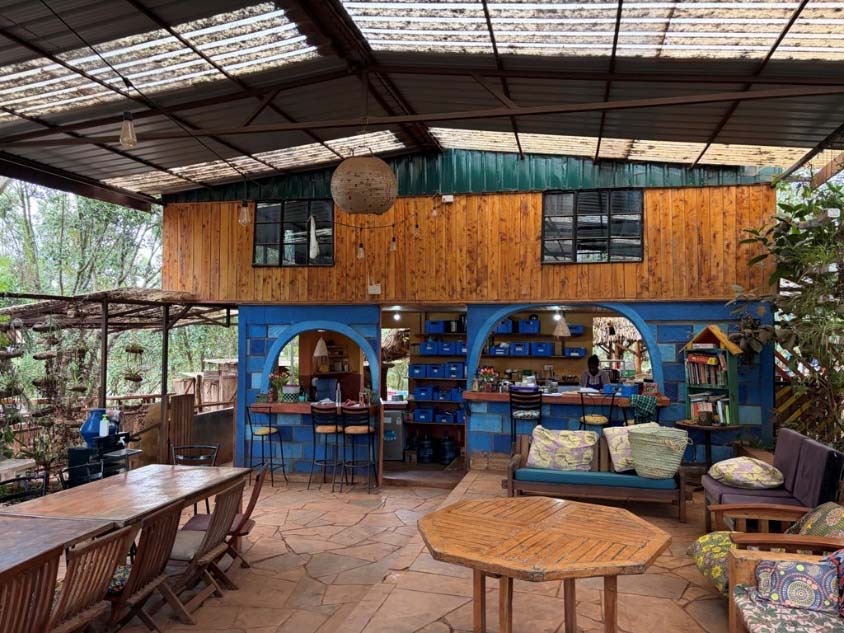
Recently, I attended a two-day, one-night Permaculture Gardening Course at Mlango Farm, located in Ngecha, about a
45-minute drivefrom Nairobi
The term Permaculture was coined by combining the words permanent and agriculture. It refers to an approach to designing
sustainable ways of living and societies by taking inspiration from natural ecosystems and working in harmony with the
environment.
The concept was developed in the late 1970s by Australian biologist Bill Mollison and ecologist David Holmgren as a
system of design principles and techniques in response to growing environmental concerns, including pollution and
ecological disruption associated with industrial and agricultural practices.
I was not particularly familiar with the concept before, but since I have been growing basil, rosemary, and houseplants
at home, I decided to take part after a friend invited me.
About Mlango Farm
Mlango Farm was established in 2007 by Els Breet Kamande and the late Kamande Njenga, who began developing their family's land into a farm.

The land had previously been left largely underutilized for many years. Through the practice of permaculture, however, they transformed the degraded land into a farm for growing vegetables and fruit trees. Today, it has become an organic farm where more than 50 different types of crops are cultivated. All of the produce harvested on the farm is delivered to Nairobi. In addition to selling agricultural produce, Mlango Farm now offers farm visits and training programs, as well as accommodation designed around the principles of an ecovillage.
Learning Through Practice
Around ten participants from Europe and Kenya took part in the course.
The course was led by two instructors, each of whom taught on a different day.
The program began with classroom sessions, followed by a tour of the farm and hands-on activities such as making compost. Toward the end of the course, we worked the soil and planted crops ourselves.
It may sound obvious, but going through the entire process gave me a tangible sense of how agriculture is rooted in nature. In the evening, participants from different countries gathered around the table to share a meal and enjoy one another's company. It was a moment that embodied the idea that humans and plants are all part of a single, interconnected cycle of life.
Mlango Farm was also home to volunteers and interns, who were contributing to the farm in their own ways. Some were creating works of art using their individual talents, while others were building large-scale playground equipment. I imagine that the warmth and hospitality of the farm's founder, Els, plays a significant role in attracting such an inspiring group of people.
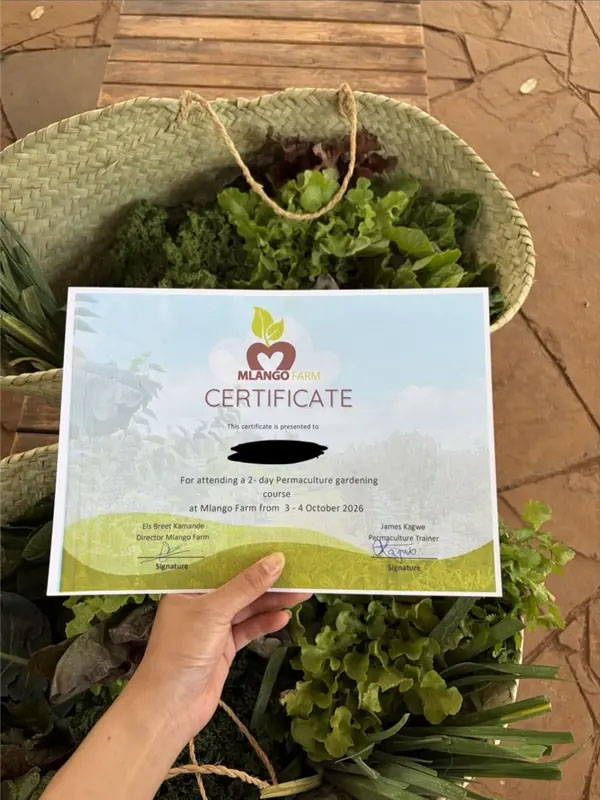
I, too, hope to put what I learned into practice at home, even in small ways, and I already look forward to visiting Mlango Farm again soon.
The Potential of Permaculture in Kenya
Agriculture supports the livelihoods of many people in Kenya, making discussions about how farming is practiced an important issue.
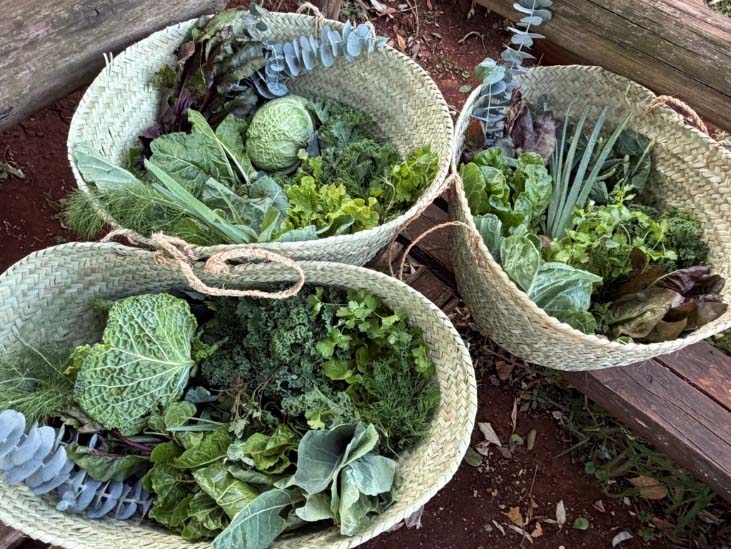
One potential benefit of applying permaculture principles in Kenya is the opportunity to improve smallholder farmers' incomes and food security. By diversifying crops and growing legumes, fruit trees, and traditional vegetables alongside staple crops such as maize, farmers can diversify their sources of food and income.
One example is DNRC, an NGO based in Makueni County. Through permaculture and agroecology, the organization works with farmers in arid areas to address challenges such as degraded land, water scarcity, soil deterioration, and declining agricultural productivity.
Meanwhile, one of the Kenyan government's well-known agricultural support measures is the National Fertilizer Subsidy Programme. Through this initiative, the government procures and distributes fertilizer at subsidized prices, aiming to reduce farmers' input costs and improve agricultural productivity. These efforts are also intended to support farmers' livelihoods and incomes while contributing to more stable food prices.
Alongside such government-led approaches, there are people working to improve agriculture in Kenya from a different perspective through the practice of permaculture.
Permaculture seems to offer knowledge that can strengthen and enrich the cycle connecting people with the natural world.
Living in Nairobi, where high-rise buildings dominate the skyline, I was reminded of the importance of nurturing this sense of connection with nature in my everyday life.
References | Notes
Disclaimer: The information provided in this article is for general informational purposes only and may vary depending on local regulations and operational conditions. Please contact MOL or relevant authorities for case-specific guidance.