
One word captures the relationship between Japanese food, knowledge and tradition: Washoku.
Often understood as traditional Japanese cuisine, Washoku embodies Japan's rich food culture and the values, traditions and knowledge passed down through generations. It encompasses the skills, practices and customs associated with producing, preparing and consuming food, with deep respect for nature, seasonality and the preservation of culinary heritage.
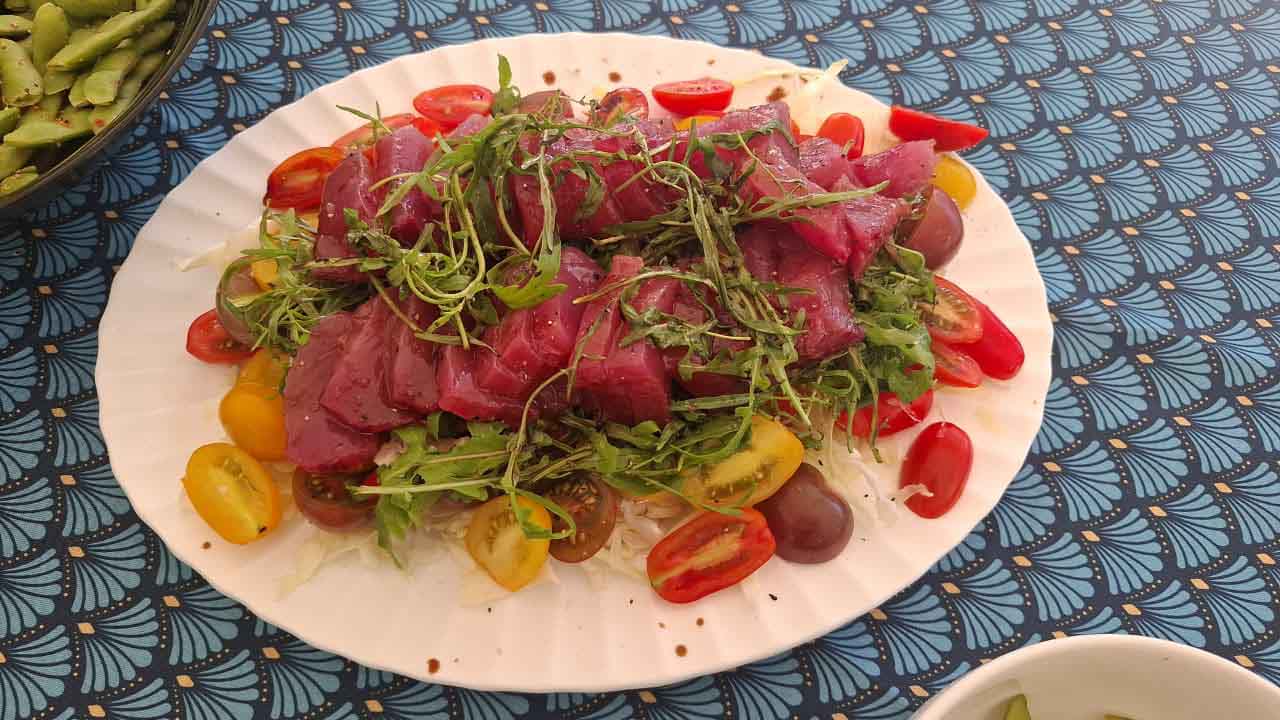
Washoku was inscribed on UNESCO’s Representative List of the Intangible Cultural Heritage of Humanity in 2013.[1] In this sense, food becomes a means of sharing not only flavours, but also the knowledge, skills and traditions that shape a culture.
Food as Part of Diplomacy
Japan’s Ministry of Foreign Affairs emphasised the role of meals in diplomatic engagement, noting that sharing meals can help build personal networks, while chefs serving at Japanese diplomatic missions contribute to official hospitality and the promotion of Japanese food culture.[2]
In January 2026, Japan introduced the Program for Official Chef of Japan’s Overseas Mission, strengthening the role of chefs serving at Japanese diplomatic missions. Under the new framework, they are expected to contribute more actively to promoting Japanese cuisine and Japanese food products overseas, with the Ministry describing their expanded role as that of “culinary diplomats.”[3]
For MOL Mauritius Ltd, this evolving approach creates an opportunity to bring Japanese culinary knowledge into the community.
MOL’s Contribution: Bridging Culinary expertise and Community
To support this new chef initiative, MOL Mauritius Ltd is collaborating with the Embassy of Japan in Mauritius and Chef Daisuke Nakashima, the Chef to the Ambassador of Japan in Mauritius and a highly accomplished chef with experience at a three-Michelin-starred restaurant. The collaboration also aligns with MOL Mauritius' wider efforts to support coastal communities and local fishers.
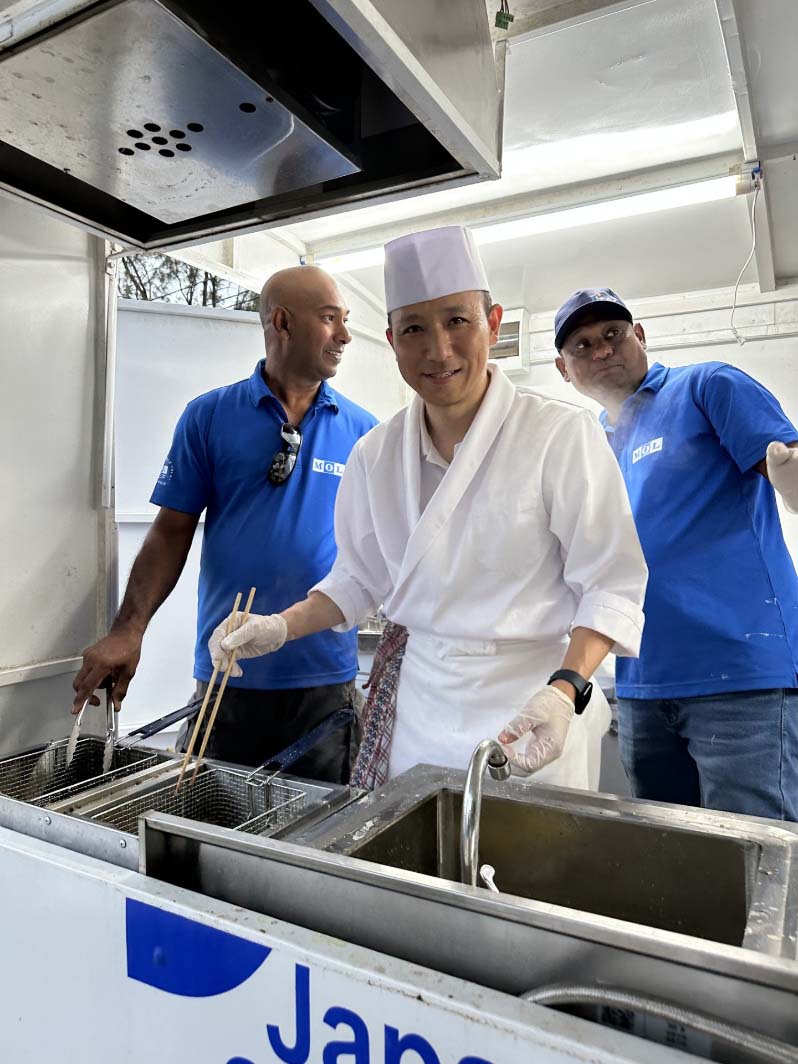
The purpose is not simply to replicate Japanese dishes in Mauritius. It is to explore how Japanese culinary techniques can be adapted to local ingredients and skills, and how they can contribute to adding value to locally caught fish.
The Kitchen Car, provided under JICA’s Project for the Improvement of Livelihood of Coastal Communities through the Sustainable Development of Blue Economy, serves as a practical platform for both sides of this collaboration.[4] It enables Chef Nakashima to bring Japanese culinary expertise and food diplomacy into the community, while strengthening MOL Mauritius in its efforts to engage with local fishers and explore opportunities to add value to their catch.
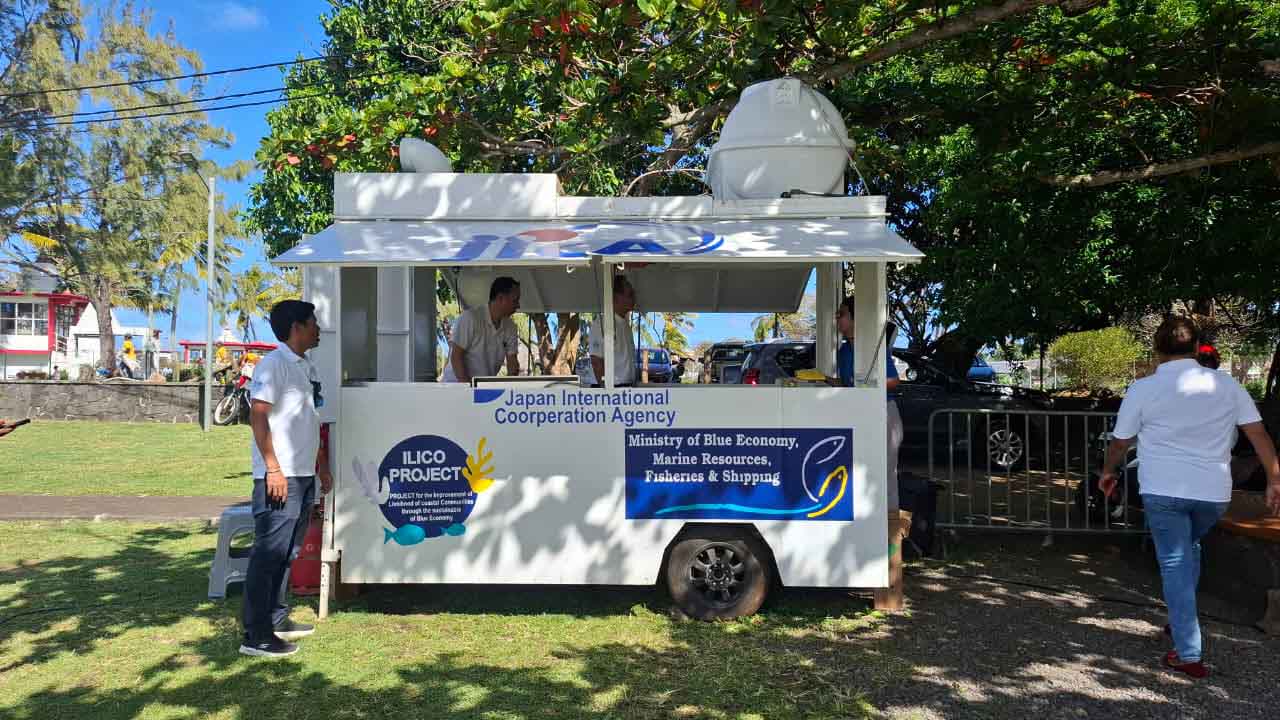
The current collaboration takes that connection a step further, moving from cultural presentation towards practical community engagement.
From Local Fish to New Possibilities
The collaboration between MOL Mauritius, the Embassy of Japan and Chef Daisuke Nakashima took practical shape on 10 June 2026, when the Kitchen Car was deployed during a beach-cleaning activity and fresh local fish was prepared as tempura.
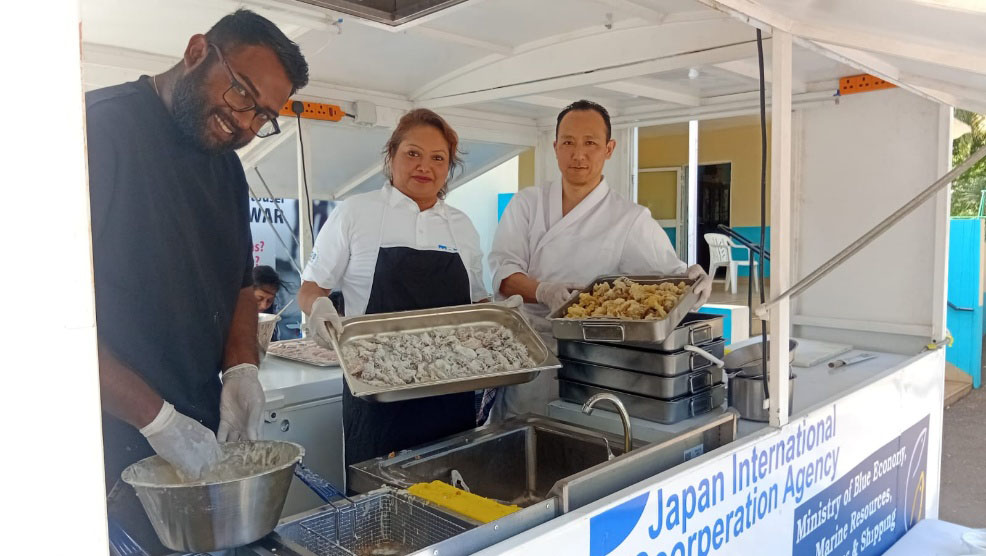
On 6 August, the Kitchen Car returned to the Mahébourg Waterfront, where local fishermen and fisherwomen worked alongside Chef Nakashima to prepare Japanese delicacies, using fresh fish sourced locally.
The collaboration also extended beyond the Kitchen Car. At Shandrani Beachcomber Resort & Spa, 13 men from Revey Twa Zom (Stand Up Men!) took part in a Japanese cooking class led by Chef Nakashima, gaining practical experience in fish preparation and Japanese cuisine.
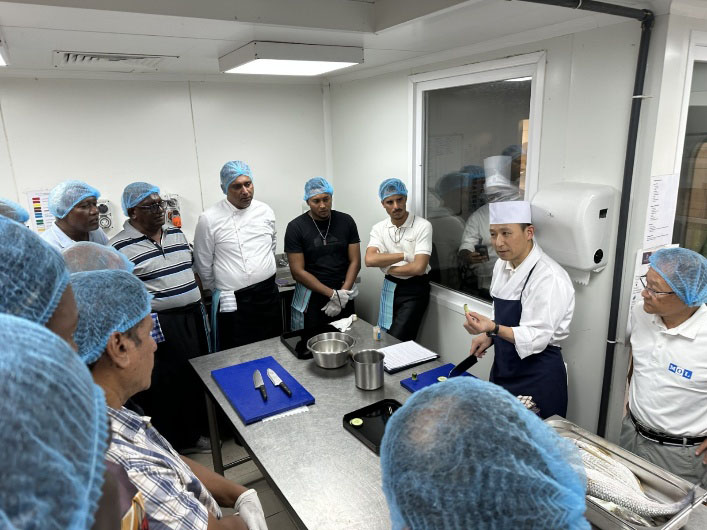
On 23 September, the Kitchen Car returned to the Fish Landing Station / Maison des Pêcheurs, bringing the collaboration back into the heart of the local fishing community and creating further opportunities for sharing Japanese culinary expertise with local fishers.
The Kitchen Car activities and Japanese cooking classes have enabled community members, fishers and local partners to experience Japanese cuisine while discovering new ways of preparing and presenting locally caught fish. Along the way, they have been exposed to Japanese culinary techniques and traditions, opening new perspectives on the potential of local seafood. In the process, the initiative has fostered cultural understanding and demonstrated how food can create opportunities for learning, collaboration and innovation.
A Shared Table of Knowledge
While the settings may be different, each interaction has demonstrated the ability of food to bring people together and encourage cultural exchange.
For MOL Mauritius, the collaboration brings together Japanese culinary expertise, the Embassy of Japan in Mauritius, Chef Nakashima, local fishers and locally caught fish, creating a bridge between Japanese culinary traditions and Mauritian experience.
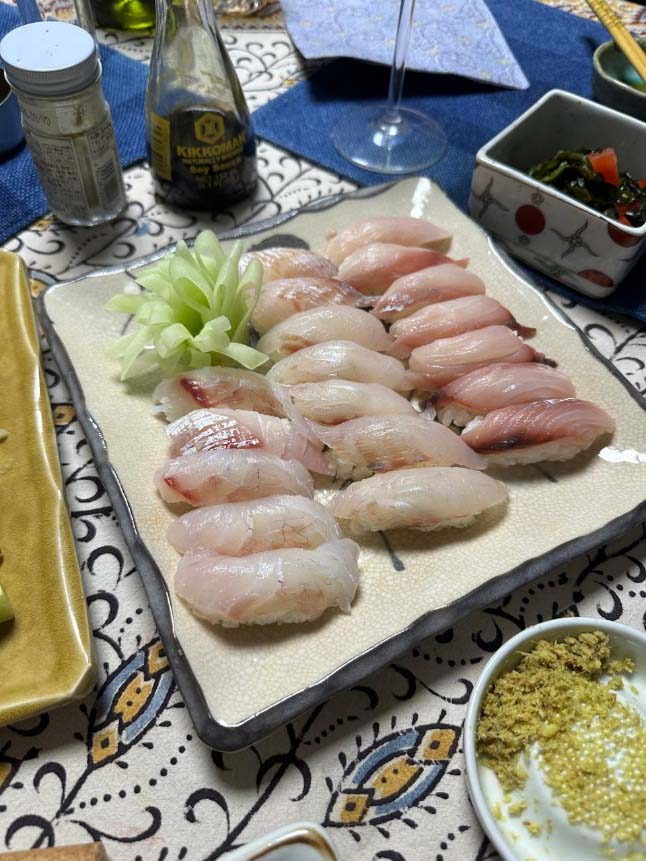
In many ways, this reflects the spirit of Washoku. Beyond the dishes prepared and shared, Washoku embodies the passing on of knowledge, skills and traditions across generations and communities. By bringing Japanese culinary traditions together with Mauritian experience, the collaboration demonstrates how food can become a meaningful platform for cultural exchange and mutual learning.
References | Notes
- UNESCO (2013) Washoku, traditional dietary cultures of the Japanese, notably for the celebration of New Year.
- Ministry of Foreign Affairs of Japan (2025) Press Conference by Foreign Minister IWAYA Takeshi.
- Ministry of Foreign Affairs of Japan (2025) Transition to the Official Chef of Japan’s Overseas Mission System.
- Japan International Cooperation Agency (JICA) (2021) Signing of Record of Discussions on a Technical Cooperation Project with Mauritius: Contributing to the conservation and restoration of the coastal ecosystems and sustainable economic and social development.