
Many people may have the impression that “Africa is cheap.”
Indeed, there are many things in Africa that can be purchased more cheaply compared to Japan. However, Africa cannot be
treated as a single unit — prices vary greatly from country to country. For example, Luanda, the capital of Angola, is
known as one of the most expensive cities in the world for expatriates.
It is also not unusual in Africa for there to be a significant difference in prices between the capital and regional
cities. Kenya is no exception: in Nairobi versus rural areas, prices differ depending on the product.
This time, we focus on Nairobi, Kenya’s capital where many Japanese expatriates live. What feels cheap when living
there, and conversely, what feels surprisingly expensive? Let’s look at everyday supermarket food prices as examples.
Relatively Cheap Vegetables and Fruits
Living in Nairobi, vegetables and fruits feel especially inexpensive.
Supermarkets stock familiar items such as tomatoes, cucumbers, eggplants, cabbages, lettuce, potatoes, carrots,
zucchini, onions, and avocados.
For example, on one shopping trip I bought:
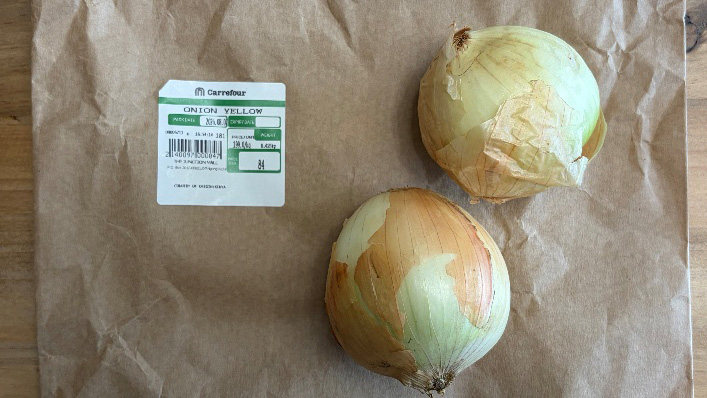
- Onion: about 40 yen each
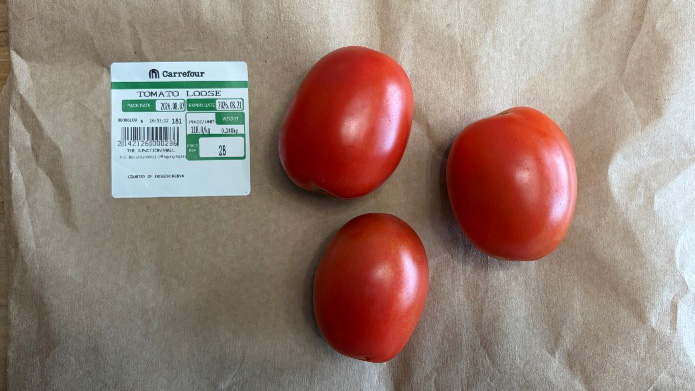
- Tomato: about 10 yen each
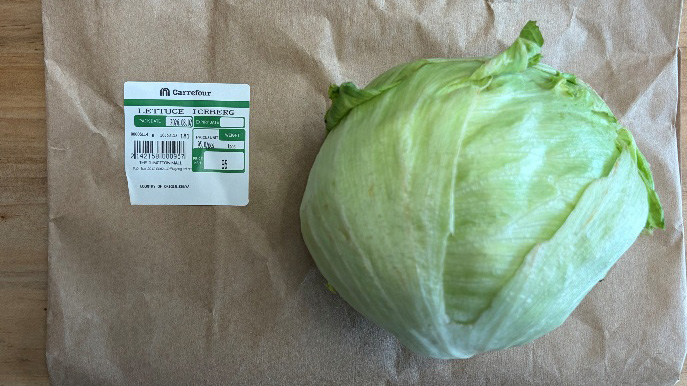
- Lettuce: about 100 yen per head
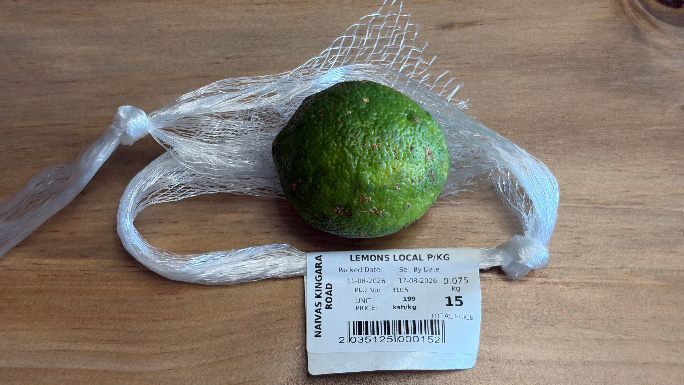
- Kenyan lemon: about 20 yen each
Avocados, popular in Japan, cost about 50 yen each in Kenya, making it easy to enjoy luxuries like guacamole. This affordability is largely because many of these items are produced domestically.
Meat Prices Similar to Japan
Supermarkets in Nairobi sell beef, chicken, lamb, and sometimes pork.
Typical prices:
- Diced beef: about 120 yen per 100g
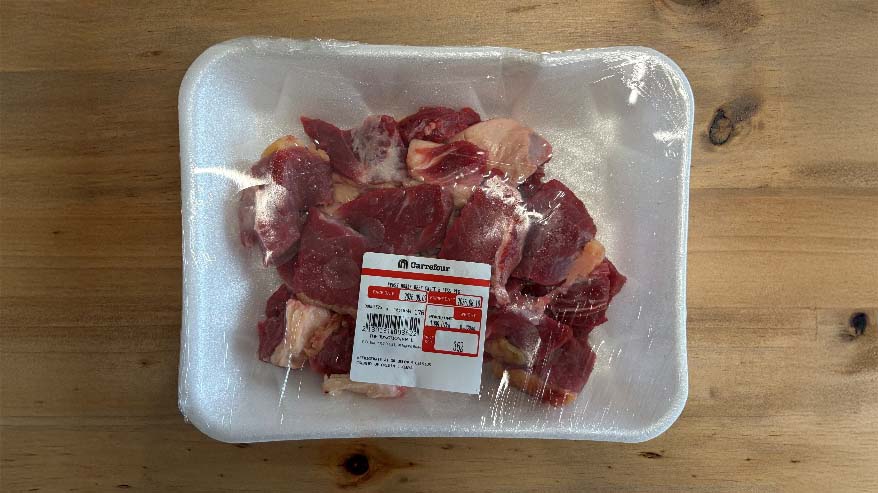
- Chicken thigh: about 110 yen per 100g
- Chicken breast: about 100 yen per 100g
- Bacon: about 220 yen per 100g
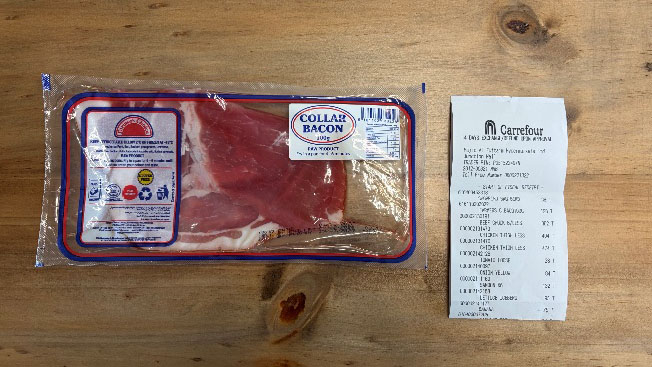
Compared to vegetables and fruits, meat does not feel particularly cheap.
Another difference is in how meat is sold. In Japan, thin slices are common, but in Kenya, cuts are thicker, often
resembling steaks. For those cooking Japanese dishes, finding thinly sliced meat can be a challenge.
Surprisingly Expensive Dairy Products
Milk, yogurt, butter, and cheese are available, but they are not necessarily cheap.
Examples:
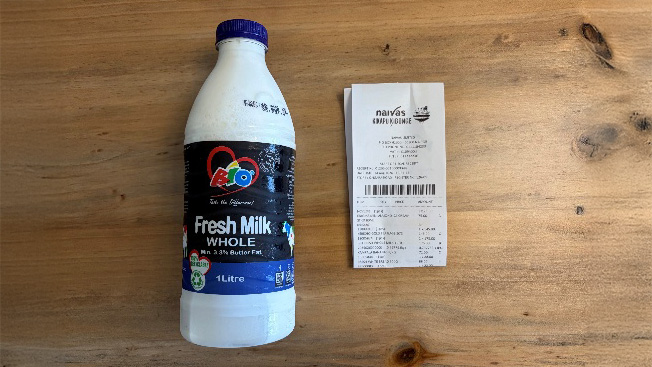
- Milk: about 190 yen per litre
- Butter: about 270 yen per 100g
- Cheddar cheese: about 210 yen per 100g
Butter and cheese, in particular, feel expensive compared to Kenya’s overall price levels. Imported products are even pricier, sometimes equal to or higher than Japanese prices.
Processed and Dry Goods Vary Widely
Prices for dry goods and processed foods depend heavily on origin and brand.
- African pasta: about 50 yen per 100g
- Italian pasta: about 150 yen per 100g
- Ground coffee: about 120–390 yen per 100g
- Tea (25 teabags): about 90 yen
Summary: Local vs Imported
In short, Nairobi’s prices cannot be simply labelled “cheap” or “expensive.”
- Locally produced vegetables and fruits are relatively inexpensive.
- Imported and processed foods tend to be more expensive due to transport, tariffs, and refrigeration costs.
Thus, understanding Nairobi’s cost of living requires looking at what is locally produced versus what relies on imports.
References | Notes
Disclaimer: The information provided in this article is for general informational purposes only and may vary depending on local regulations and operational conditions. Please contact MOL or relevant authorities for case-specific guidance.