
During a recent business trip to Egypt, I travelled by car from Port Said, the city at the northern end of the Suez Canal, to Cairo. Along the canal, a relatively new highway with three to four lanes in each direction stretches in a straight line toward Ismailia. Apparently, the completion of this highway has cut travel time by half.
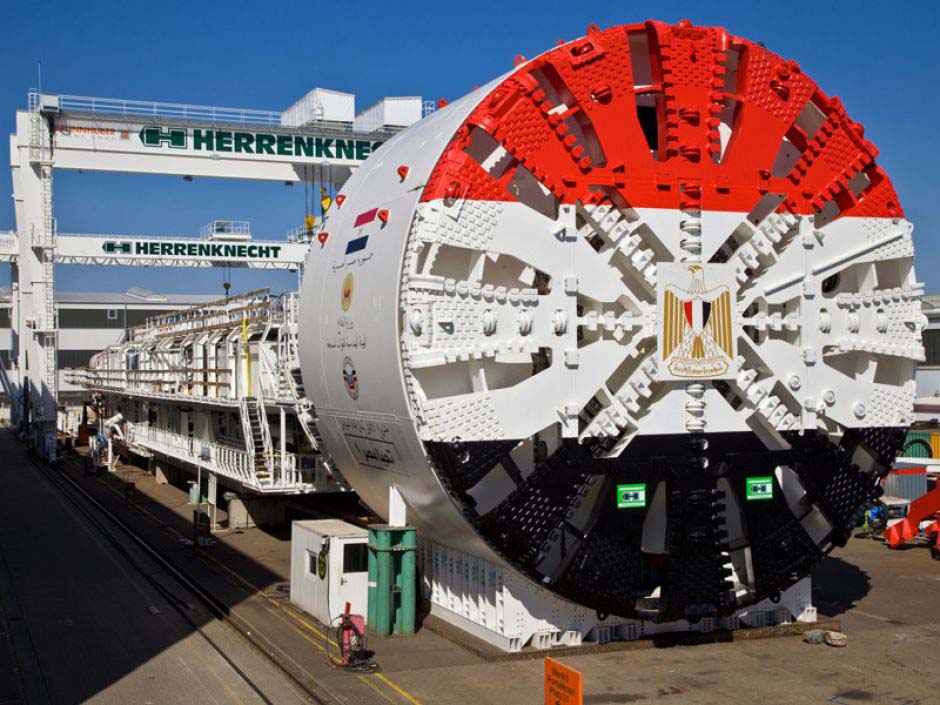
This approximately 80-kilometre highway is known as the Ismailia-Port Said Road. Together with the Suez Canal crossing tunnels and other projects, it was constructed over a relatively short period from 2015 to 2019. The large-scale project was jointly constructed by Egyptian and foreign construction companies, while supervision and commissioning were carried out by the Engineering Authority of the Armed Forces.
In Egypt, military-linked organisations are involved in large-scale construction and infrastructure projects. According to the IMF, military-linked companies have institutional advantages over private companies, including special tax advantages, access to prime land, and the ability to expedite complex licensing procedures. In addition, the Armed Forces Land Projects Agency (AFLPA), a military-linked organisation, has the authority to directly engage in construction and service activities and is also a major shareholder in the Administrative Capital for Urban Development (ACUD), the entity developing the New Administrative Capital.
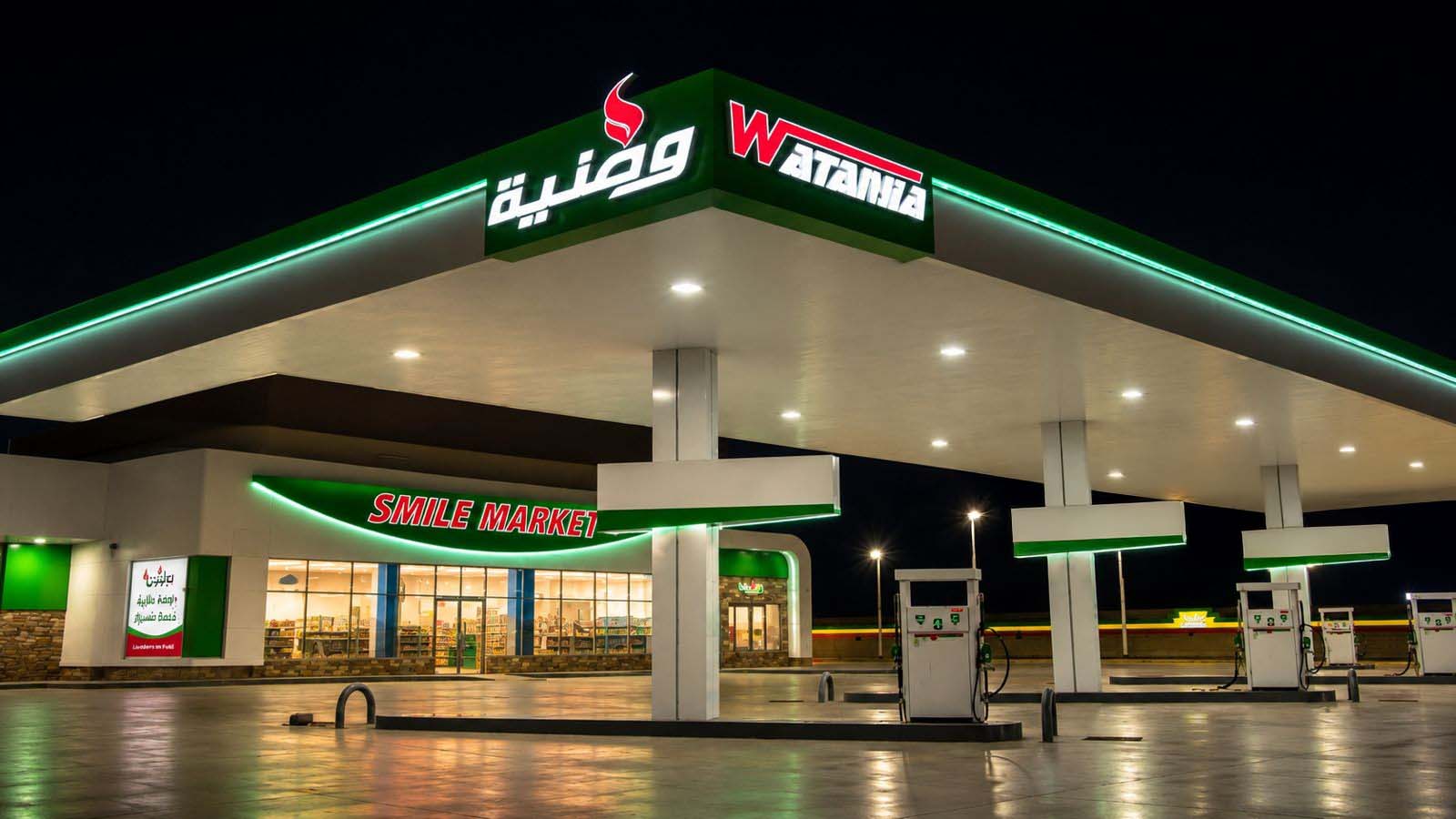
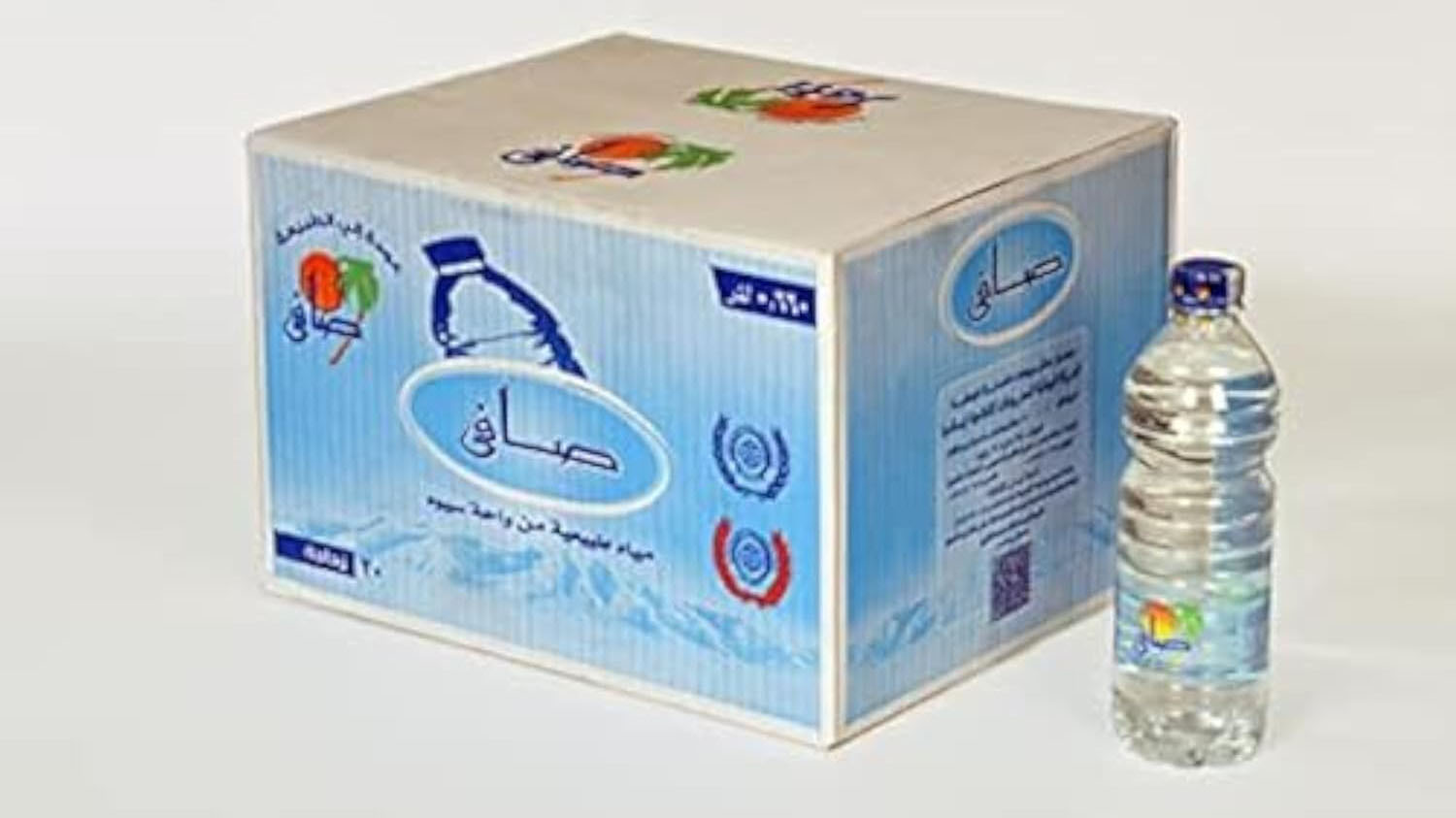
Military-linked companies in Egypt also operate across a wide range of civilian sectors. According to the IMF, there were around 80 military-linked companies as of 2025, operating in various fields including industry, services and construction. In civilian markets, they are involved in areas such as dairy products, wheat products, cement, fertilisers, automobiles and fuel sales, and hold significant market shares in certain product markets. Their presence is particularly strong in construction-related sectors.
Yezid Sayigh's 2019 book, Owners of the Republic: An Anatomy of Egypt's Military Economy, also points out that
military-linked companies are involved in a wide range of economic activities, particularly in construction-related
industries. According to data presented in the IMF's 2025 report, military-linked companies account for 36% of the
marble and granite market, 23% of the cement market, and 16% of the steel reinforced bars market.
On the other hand, it is difficult to determine exactly how much of Egypt's overall economy is accounted for by
military-linked companies.
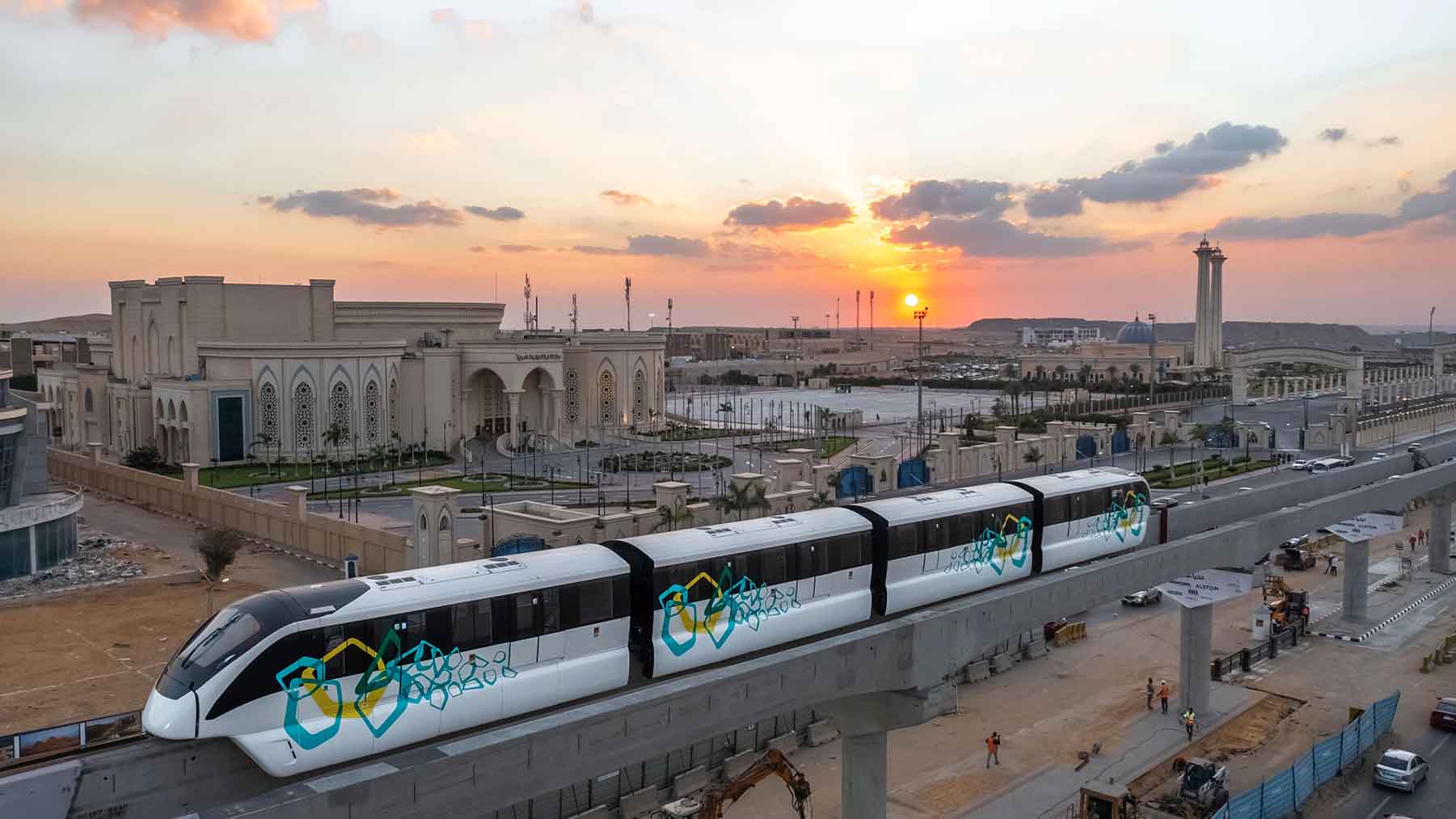
Egypt is also pursuing large-scale national projects, including the New Administrative Capital. Government institutions have already begun relocating to the new capital, which is now serving administrative functions. In addition, the first monorail in Africa connecting the New Capital with Cairo began commercial operations in May 2026.
The Suez Canal, which generates significant transit revenue for Egypt, has seen a sharp decline in vessel traffic since December 2023 due to attacks on ships by armed groups in and around the Red Sea. At the same time, according to the IMF, Egypt's economic activity recovered in 2025, with real GDP growth reaching 4.4%.
The Egyptian government continues to play a significant role in economic activity, and military-linked companies in particular operate across a wide range of sectors, including not only infrastructure and construction but also manufacturing, food, and energy. The involvement of these military-linked organisations in economic activities can be considered one of the distinctive features of Egypt's industrial and economic structure.
References | Notes
- International Monetary Fund (IMF), Arab Republic of Egypt: 2025 Article IV Consultation, Fourth Review Under the Extended Arrangement Under the Extended Fund Facility, Requests for Waivers of Nonobservance and Modification of Performance Criteria and Request for an Arrangement Under the Resilience and Sustainability Facility—Press Release; Staff Report; and Statement by the Executive Director for Egypt, IMF eLIBRARY, 2025. https://www.elibrary.imf.org/view/journals/002/2025/186/article-A001-en.xml