
A History of Successful Reinvention
As a small island nation in the Indian Ocean lacking exploitable natural resource endowments, sitting idly has never been an option for Mauritius. That prosperity must be built, adapted and rebuilt has long been understood. Time and time again, the country has had to respond to shifting global realities by reshaping its economy, embracing new opportunities and finding fresh ways to compete on the global stage.
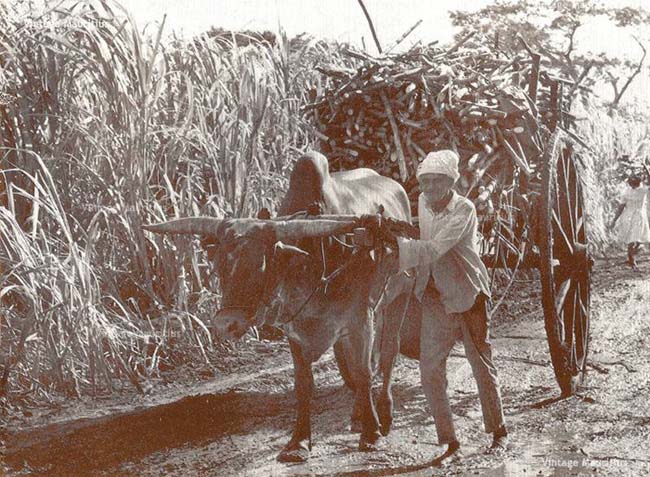
At independence on 12 March 1968, the economy was heavily tied to sugar and was then said to be “the paradigm of the small isolated, poor, dependent country, only emerging from the colonial era to fall immediately into neocolonialism – the Third World's Third World” . Yet by 2011 the Nobel laureate in economics and former chief economist of the World Bank Joesph E Stiglitz had coined the phrase “The Mauritius Miracle” celebrating that this small island state had “ established a track record of democracy, strong social cohesion, and rapid economic growth since independence”. GDP per capita rose from $250 at Independence in 1968 to $9,300 at the time of Stiglitz’s 2011 article, and in 2025 reached just under $13,000 as Mauritius progressed away from sugar-based monoculture. How has this transformation been achieved?
The first reinvention came with the Export Processing Zone, which came into operation in 1970 and helped turn Mauritius into one of the world’s better-known examples of export-led industrialisation; the textile and garment boom of the 1980s gave the country its first major industrial platform. Tourism expanded alongside this, turning Mauritius into a luxury island destination rather than a mass-market beach economy. Financial services became a third pillar in the 1990s and 2000s, supported by tax treaties, legal stability and a growing international business sector. One notable accolade was Mauritius’ long-standing role as a leading source country for foreign direct investment into India: Indian government data show Mauritius ranked first for cumulative FDI equity inflows into India from January 2000 to December 2024, accounting for about 24.85% of the total, or nearly US$179 billion. From the 2000s onward, ICT, business process outsourcing, logistics and the Freeport added further layers. Mauritius also gained wider recognition as a reformer, ranking 13th globally and first in Africa in the World Bank’s 2020 Ease of Doing Business report, while consistently performing strongly in African governance and democracy rankings. The formula was not magic: Mauritius did best when policy direction, institutional credibility, private investment and skills development moved together over time.
What The Budget 2026–2027 Is Really Telling Us
The recently announced Mauritius National Budget 2026–2027 calls for Mauritius to repeat that habit of practical reinvention in a much tougher global environment. Every generation faces a different economic landscape and today's is being shaped by artificial intelligence, digital transformation, climate change, and an increasingly competitive global economy. Recognising this, the 2026–2027 National Budget sets out a vision for a “future-ready Mauritius”. Rather than focusing only on short-term measures, it emphasises the need for sustained reform, innovation, and investment to strengthen the country's long-term competitiveness. It focuses on several strategic pillars including AI and digitalisation; start-ups and SME support; upgrades to strategic infrastructure (e.g. ports, transportation, connectivity); strategic transformation (e.g. Blue Economy); strategic resilience (energy, water and food security); and measures to make investment easier. In truth, many of these themes are not new and certain of them have been part of the policy landscape for more than 10 years. The Budget’s real message is less about a new economic direction and more about taking steps to accelerate progress on priorities already known to be important.
A Balanced Reading of the Moment
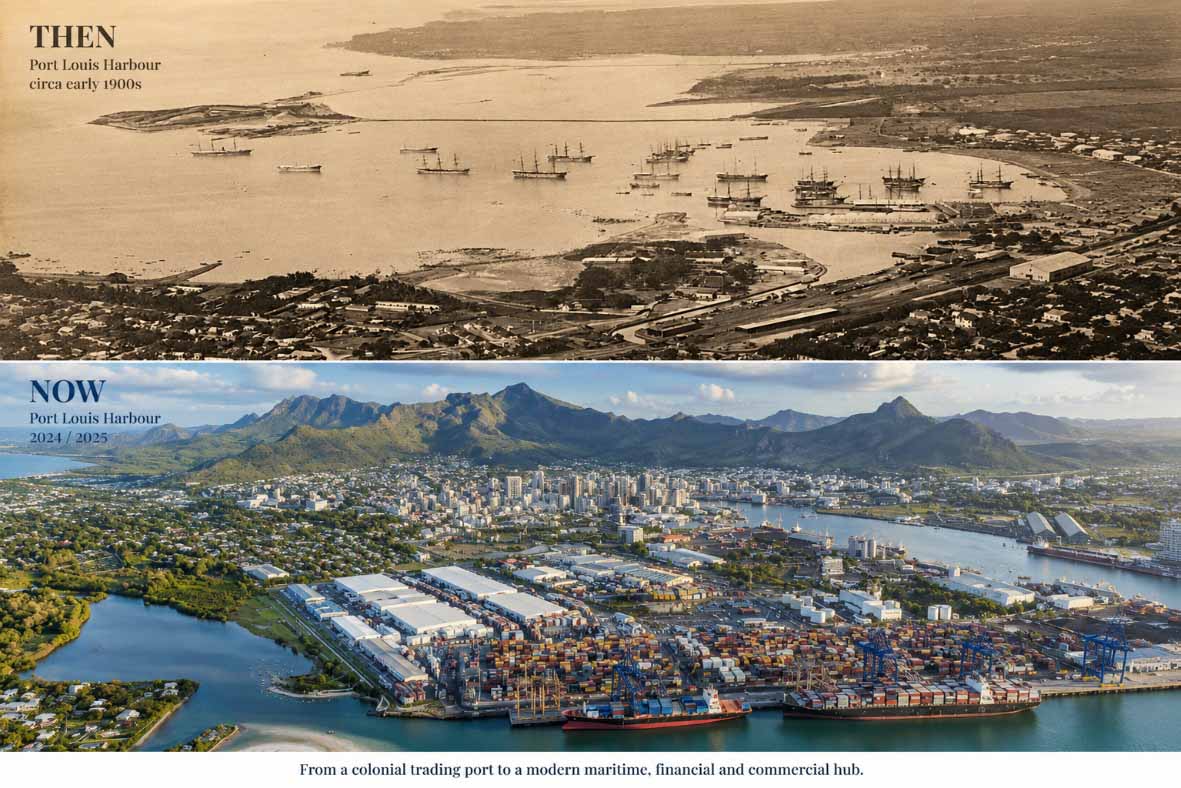
A fair reading of Mauritius today should hold two ideas together. The country remains one of Africa’s most impressive development stories, with credible institutions, a strong private sector, social stability and a reputation that still carries weight with investors and partners. Yet at the same time, recent years have shown that past successes do not guarantee future success: public debt is high and constrains government spending and investment; external balances are under pressure; climate adaptation and infrastructure needs are becoming more and more acute; and social issues such as youth unemployment and cost of living are becoming more pronounced. Key sectors continue to hold up well but it is far from plain sailing: tourism has recovered in headline terms but competition from other luxury destinations has sharpened while travellers are increasingly looking for better value and more distinctive experiences; financial services remain a key strength but the credit rating and reputation of the jurisdiction are coming under pressure; the port sector is benefitting from geo-political risks in the Middle East but how long this tailwind will blow remains uncertain while what is certain is that competition amongst ports in the region is increasing. This is not a time to stand still. Mauritius recognises the need to build on the strong foundations in place and translate long-held ambitions into real action.
The Next Chapter

While geopolitical headwinds today are beyond Mauritius’ control, the Government’s ambitions for a future-ready Mauritius are certainly achievable. Mauritius has delivered on many credible economic plans over the years, and each chapter of its development has been shaped by an ability to recognise change, seize new opportunities, and adapt with purpose. The caution is that this next reinvention might be harder as domestic constraints become more pronounced. That does not take away from the Mauritian story. It simply reminds us that reinvention is hard, requires breaking old habits and finding new ways of getting things done.
References | Notes
- Houbert, Jean. “Mauritius: Independence and Dependence.” The Journal of Modern African Studies 19 (1981): 75 - 105.