Rising tensions in the Middle East can feel distant when viewed from Southern Africa. Geographically, the region is far
away, and in everyday life we do not often think directly about the Strait of Hormuz or the Persian Gulf.
Yet in the world of energy and logistics, distant crises often arrive quietly by sea. What differs is the way they
arrive from one country to another.
South Africa: A Crisis Transmitted Mainly Through Prices
In South Africa’s case, the Middle East crisis does not appear likely to translate immediately into a simple question of
physical fuel shortages. South Africa’s crude oil imports are not overwhelmingly dependent on the Middle East. The more
important structural issue in recent years has been the decline in domestic refining capacity and the resulting increase
in reliance on imported refined products such as diesel and gasoline.
For South Africa, therefore, the Middle East crisis is better understood not as a direct supply-disruption risk, but as
a risk transmitted through international fuel prices, procurement costs for refined products, maritime transport costs,
insurance premiums, and exchange rates.
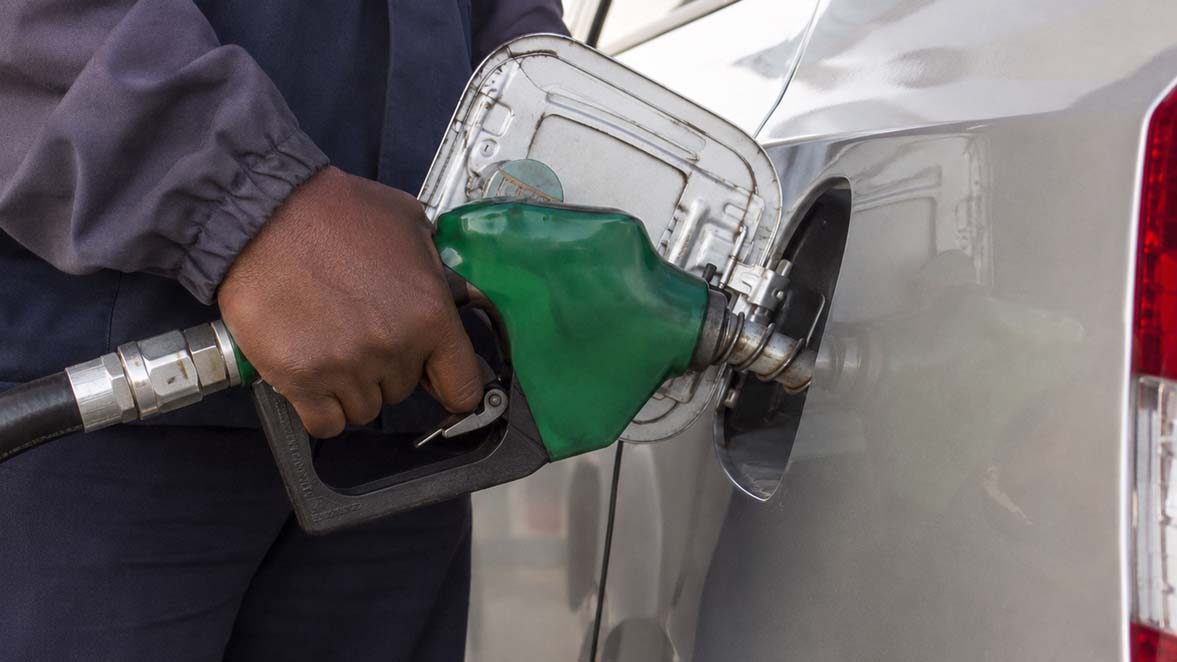
This was visible in the fuel price adjustment announced by the South African government, effective 6 May 2026, which raised gasoline by ZAR 3.27 per litre (USD 0.20) to ZAR 26.63 (USD 1.61), and diesel by ZAR 6.19 per litre (USD 0.37) to ZAR 32.18 (USD 1.95)
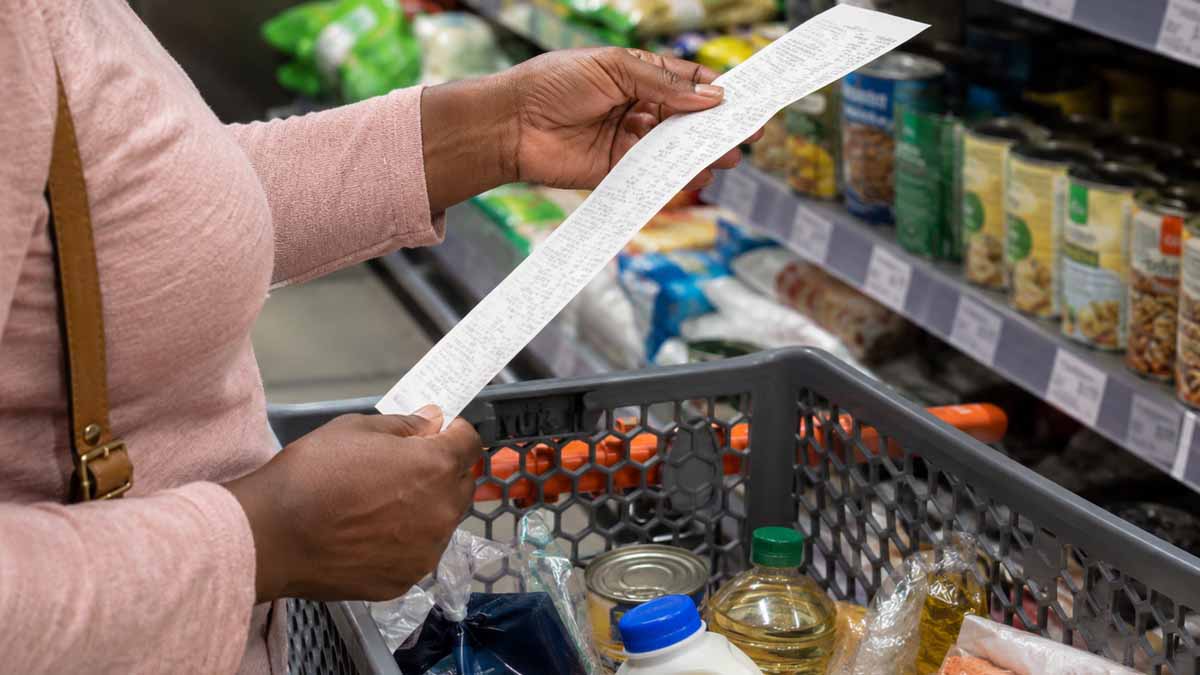
In a country heavily dependent on trucking, such increases do not stop at the pump. They move, with a time lag, into transport costs, delivery costs, logistics costs, and eventually into the prices of food and daily necessities.
At the same time, it would be misleading to attribute every increase in food, restaurant, or consumer goods prices directly to the Middle East crisis. Prices in South Africa are shaped by several overlapping factors: the rand exchange rate, electricity costs, domestic logistics constraints, supply conditions, and import prices. The Middle East crisis should therefore be seen as one source of pressure among many, mainly through its effect on fuel prices and logistics costs.
Mozambique: A Question of Price and Availability
Mozambique faces a more acute situation.
The country is highly dependent on imported petroleum products and also faces a structural shortage of foreign currency.
In addition, local reporting indicates that around 80% of Mozambique’s fuel imports transit through the Strait of Hormuz
and originate from the Middle East. This means that the issue is not only price, but also the stability of supply
sources and shipping routes.
For Mozambique, therefore, the impact of a Middle East crisis is not limited to fuel becoming more expensive. It also raises the question of whether fuel can be secured at all.
In the spring of 2026, the Mozambican government sharply adjusted fuel prices. Diesel rose by 45.5% to 116.25 meticais (=USD 1.83) per litre, while gasoline rose by 12.1% to 93.69 meticais (=USD1.47) per litre. The rise in diesel prices is particularly important because it affects trucking, public transport, construction, agriculture, fisheries, and many other parts of the economy.
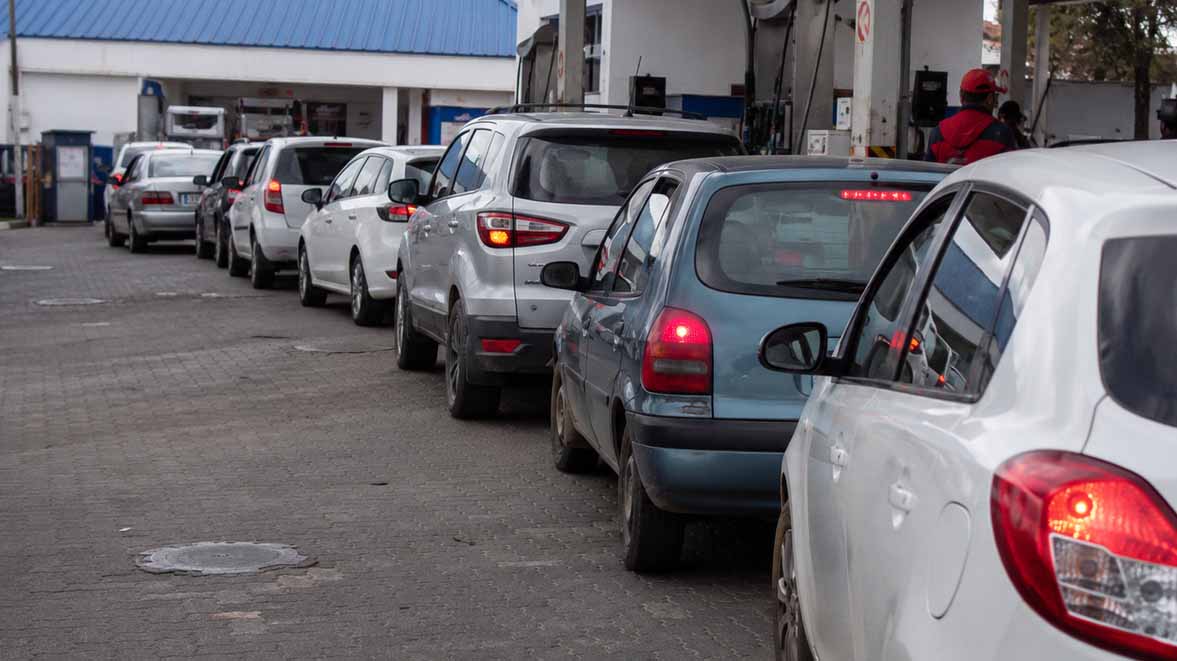
Having lived in Maputo, the phrase “fuel crisis” immediately brings to mind long lines of vehicles stretching from petrol stations. High prices are painful, but the deeper concern is not knowing whether fuel will still be available after waiting in line. If fuel does not arrive, cars, minibuses, and trucks stop moving. If logistics stop, food, construction materials, and medicines become harder to move from ports to people.
Two Different Pathways
In short, in South Africa the Middle East crisis is transmitted mainly through prices. In Mozambique, it is transmitted through both prices and supply insecurity.
This contrast reflects the different economic structures of the two countries. South Africa has a larger market and relatively more diversified procurement channels, but higher fuel costs still work their way gradually into logistics costs and living expenses. Mozambique, by contrast, is more directly exposed to external shocks because import dependence, foreign currency constraints, and concentrated supply routes overlap.
Geopolitics is not only something that happens on a map. Tensions in the Strait of Hormuz cross the sea, pass through ports, and eventually reach everyday life in Southern Africa. But they do not arrive in the same form everywhere.
This is why stable energy supply and resilient logistics networks are likely to become even more important. Logistics is not simply the movement of goods. It is the act of keeping society’s bloodstream flowing, and of quietly connecting distant regions with one another.
References | Notes
- EIA, 'Amid regional conflict, the Strait of Hormuz remains critical chokepoint for oil', Jun. 16, 2025
https://www.eia.gov/todayinenergy/detail.php?id=65504 - Government of South Africa, 'Adjustment of fuel prices effective from 6 May 2026', May 4, 2026
https://www.gov.za/news/media-statements/minister-gwede-mantashe-announces-adjustment-fuel-prices-effective-6-may-2026 - Ecofin Agency, 'Mozambique Prioritizes Public Transport Amid Fuel Supply Risks', Apr. 14, 2026
https://www.ecofinagency.com/news-industry/1404-54654-mozambique-prioritizes-public-transport-amid-fuel-supply-risks - Club of Mozambique, 'Mozambique: Diesel liter price to rise by 45.5% and gasoline by 12.1%', May 7, 2026
https://clubofmozambique.com/news/mozambique-diesel-liter-price-to-rise-by-45-5-and-gasoline-by-12-1/ - OEC, 'Crude Petroleum in South Africa Trade'
https://oec.world/en/profile/bilateral-product/crude-petroleum/reporter/zaf