
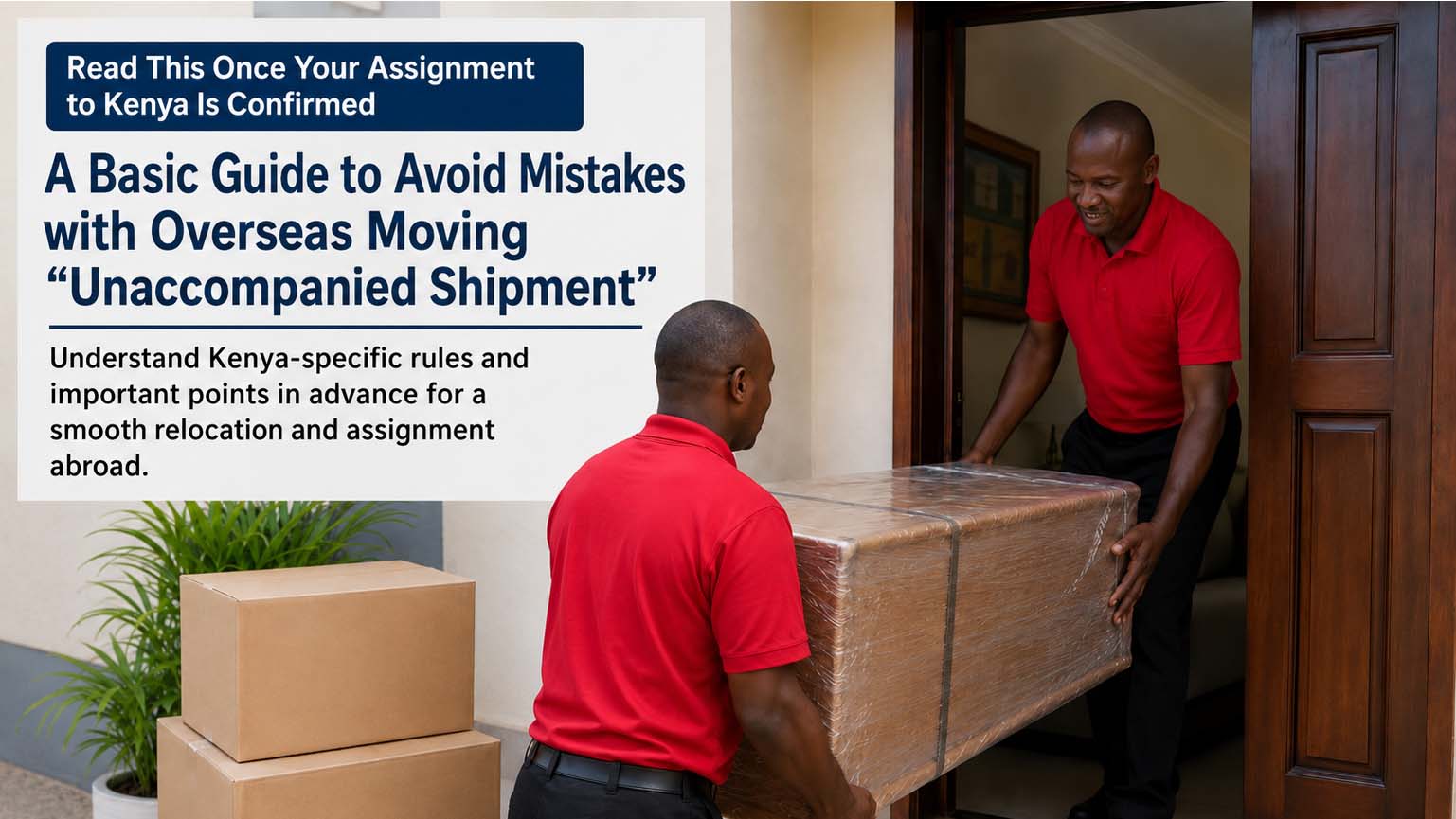
If you have recently been assigned to Kenya and are preparing for your move, you may be wondering: “What should I do about my household goods (unaccompanied baggage)?”
Unaccompanied baggage refers to personal belongings used in Japan or other countries that are shipped separately after your arrival. If handled correctly, these items can be imported without issue. However, if you proceed without understanding Kenya-specific requirements, you may face customs delays or unexpected costs.
In this article, we provide a concise overview of the basics and key points to note for individuals relocating to Kenya, as well as for HR and General Affairs personnel.
Located on Mozambique’s Indian Ocean coast, the Port of Maputo is one of Southern Africa’s most important logistics gateways. Serving Mozambique and landlocked neighbouring countries such as South Africa, Zimbabwe, Eswatini and Zambia, the port plays a central role in regional trade through its integration with the Maputo Development Corridor, which combines road, rail and border infrastructure linking key industrial and mining regions to global markets.
Mitsui O.S.K. Lines (MOL) has maintained a long standing operational presence in Mozambique, with an established Maputo office supporting business development, shipping, agency and customer-facing activities in the country. This local presence underpins MOL’s commitment to the port and the wider region, enabling close coordination with port authorities, regulators and regional supply chain partners.
What is Unaccompanied Baggage?
Unaccompanied baggage refers to used personal effects that the assignee has been using and ships separately from their travel.
This typically includes clothing, daily necessities, furniture, and small electrical appliances (items with proven prior use). The key points are that these items must be not new and intended for personal use.
Three Key Points to Keep in Mind
-
The 90-Day Rule
In Kenya, in order to import unaccompanied baggage duty-free, the shipment must generally arrive within 90 days from either:
- the date of issue of a Work Permit (valid for two years or more), or
- the date of first entry into Kenya.
If this deadline is exceeded, the goods may no longer qualify for duty exemption and may become subject to taxation. Careful scheduling is therefore essential.
-
Required Documentation
The standard documents typically include:
- Passport
- Work Permit (valid for two years or more)
- KRA PIN (Kenya Revenue Authority tax registration number)
For diplomats such as UN staff or embassy personnel, additional documents (e.g. Pro 1B Form) corresponding to their status may allow for duty exemption and inspection waiver.
-
Prohibited or Restricted Items
If the following items are included in your shipment, they may be treated as new goods, subject to additional taxes, or flagged for inspection:
- Food and beverages
- Cosmetics, toiletries, and perfumes
- Medicines
- Clearly unused items
In particular, cosmetics and food items may incur radiation inspection fees (approx. KES 3,000 per item) plus taxes of up to 100%, so caution is strongly advised.
For HR and General Affairs Personnel
When relocating employees to Kenya, many issues can be avoided by organising the following in advance:
- The expected arrival timing of the shipment
- The contents of the cargo In particular, sharing the following points is highly effective:
- Scheduling in line with the 90-day rule
- Confirming that no food, cosmetics, or unused items are included
The Importance of a Partner with Local Expertise in Kenya
In Kenya, factors such as 100% inspections, holds due to incomplete documentation, and storage charges can present unique challenges for unaccompanied baggage.
MOL Logistics provides end-to-end support, from arrangements in Japan to customs clearance and coordination in Kenya. Our Nairobi office also has Japanese-speaking staff, and we support a wide range of clients—from general assignees to staff of international organisations and diplomatic personnel.
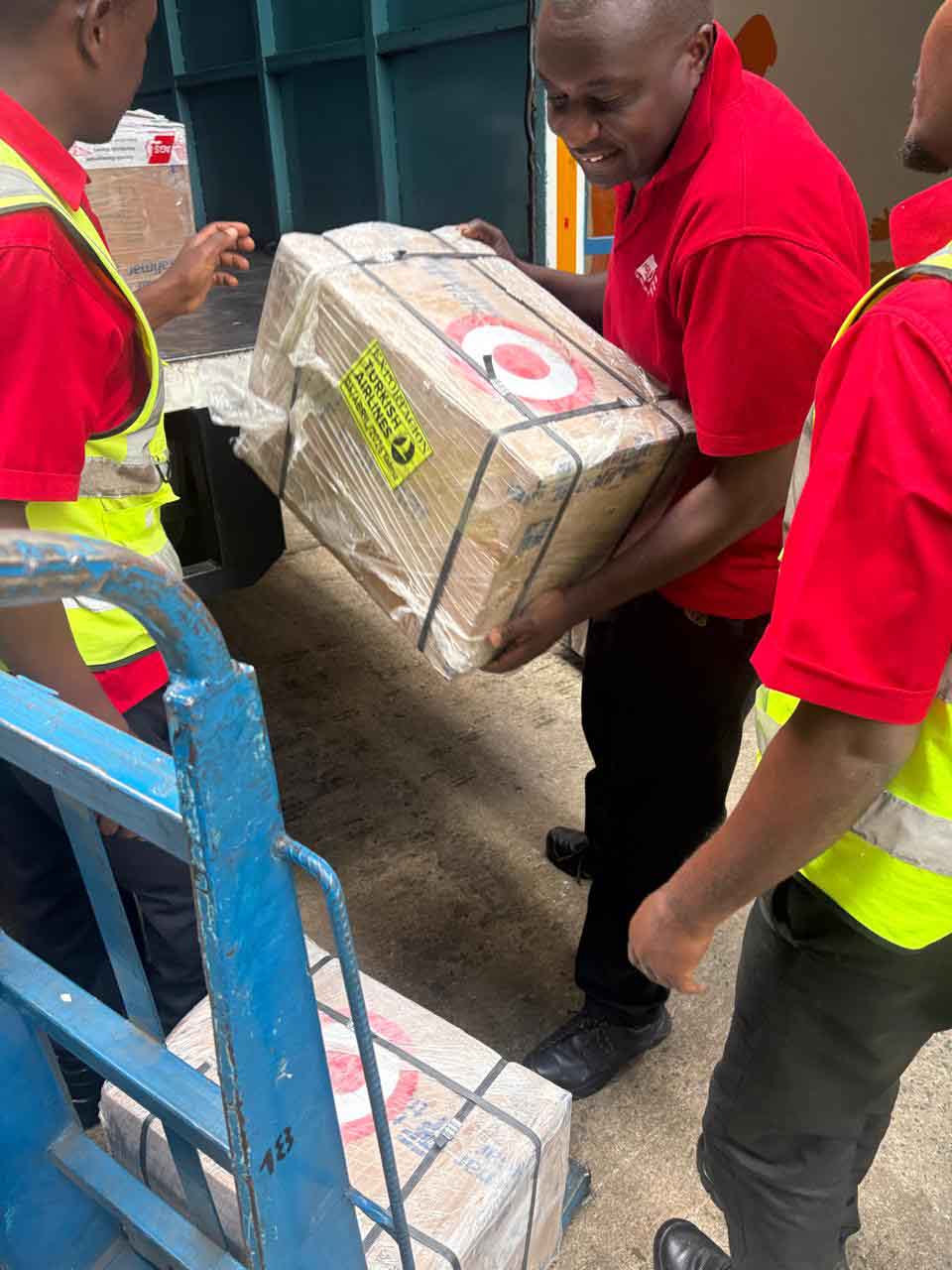
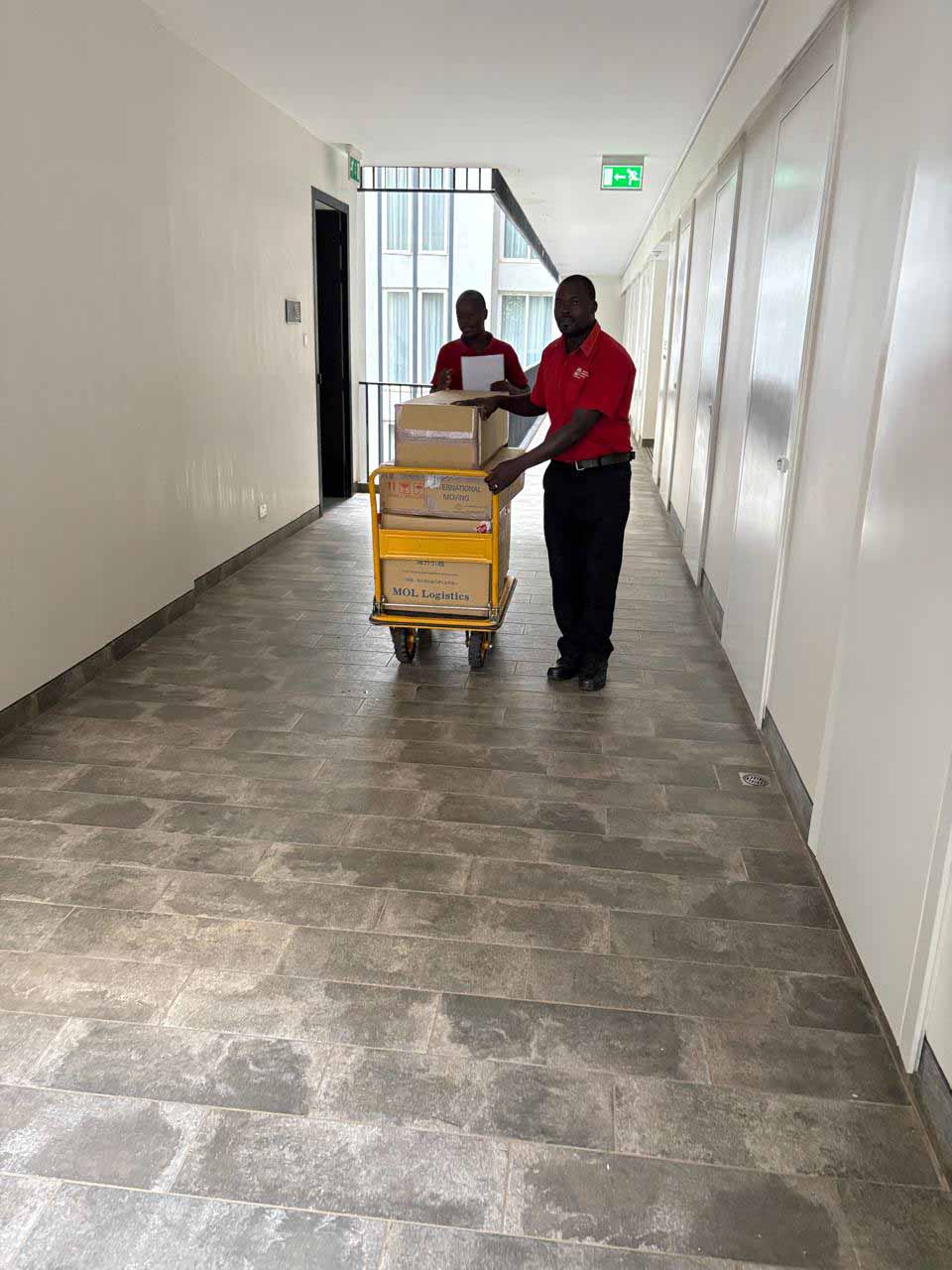
Example of actual delivery: Even after arrival in Kenya, we provide consistent support through local coordination and delivery.
Final Note | Before Proceeding with Your Shipment
Shipping to Kenya can sometimes take more time and incur higher costs if approached in the same way as in Japan or other countries.
However, if you understand the rules and key points in advance, there is no need to be overly concerned.
If you are ever unsure—“Is this item okay to ship?”—it is always best to confirm before dispatch.
We also handle overseas relocations from Kenya to other countries, so please feel free to consult us when returning home or preparing for your next assignment.
Contact: [email protected]
References | Notes
Disclaimer: The information provided in this article is for general informational purposes only and may vary depending on local regulations and operational conditions. Please contact MOL or relevant authorities for case-specific guidance.