
Located on Mozambique’s Indian Ocean coast, the Port of Maputo is one of Southern Africa’s most important logistics gateways. Serving Mozambique and landlocked neighbouring countries such as South Africa, Zimbabwe, Eswatini and Zambia, the port plays a central role in regional trade through its integration with the Maputo Development Corridor, which combines road, rail and border infrastructure linking key industrial and mining regions to global markets.
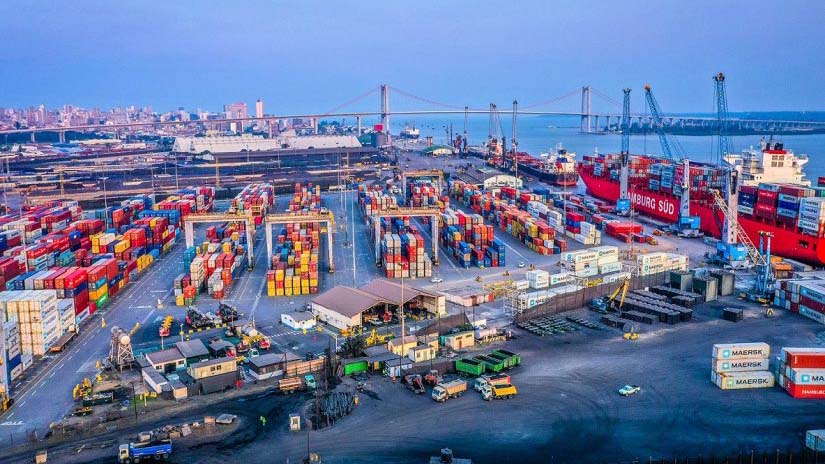 Port of Maputo in Mozambique
Located on Mozambique’s Indian Ocean coast, the Port of Maputo is one of Southern Africa’s most important logistics gateways. Serving Mozambique and landlocked neighbouring countries such as South Africa, Zimbabwe, Eswatini and Zambia, the port plays a central role in regional trade through its integration with the Maputo Development Corridor, which combines road, rail and border infrastructure linking key industrial and mining regions to global markets.
Mitsui O.S.K. Lines (MOL) has maintained a long standing operational presence in Mozambique, with an established Maputo office supporting business development, shipping, agency and customer-facing activities in the country. This local presence underpins MOL’s commitment to the port and the wider region, enabling close coordination with port authorities, regulators and regional supply chain partners.
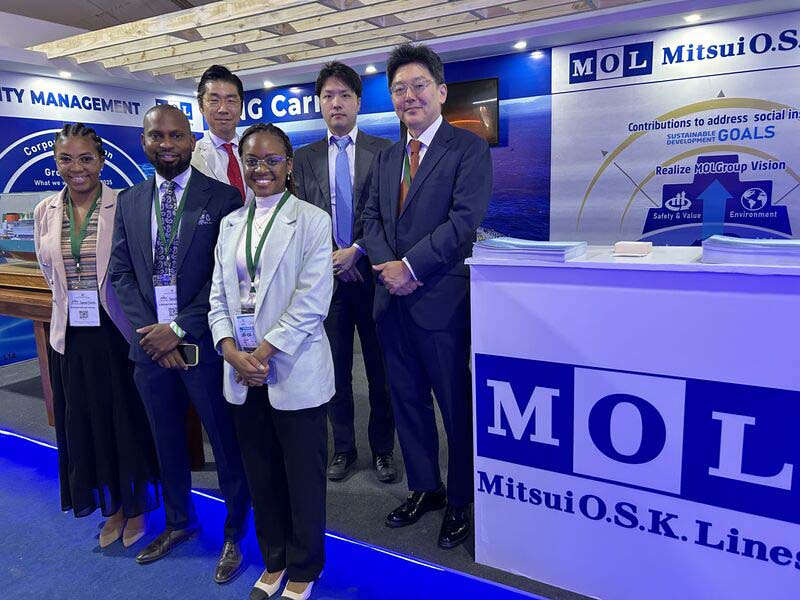 The MOL Maputo office team and representatives from MOL (Europe Africa) during FACIM 2024
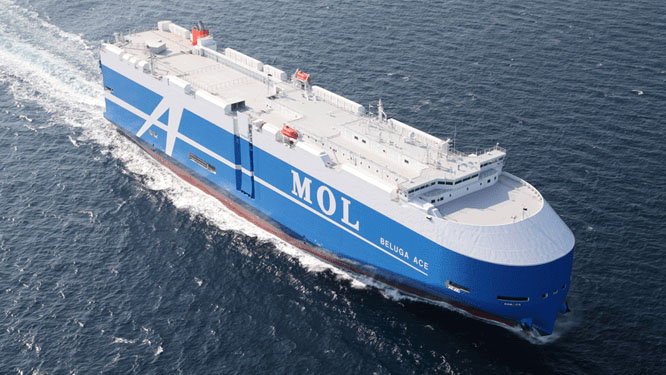
Within this footprint, MOL’s Roll on/Roll off (RoRo) car carrier vessels have been regularly calling at the Port of Maputo for more than two decades, supporting both new and used vehicle flows as well as high and heavy automotive cargo. Over this period, Maputo has served as a reliable discharge and transhipment point for vehicles destined for Mozambique and neighbouring inland markets, reinforcing the port’s role as an automotive logistics hub along the southern African coast.
In 2025, the Port of Maputo achieved a record throughput of 32 million tonnes, highlighting strong growth across bulk commodities, agricultural exports, containers and automotive cargo. Increased rail utilisation and continued operational improvements have strengthened the port’s reliability and competitiveness, particularly as shippers seek alternatives to more congested regional ports.
The port is operated under a long term public private partnership by the Maputo Port Development Company (MPDC) and is currently undergoing a major USD 500 million expansion programme following the extension of its concession to 2058. Planned upgrades include deeper access channels, expanded quays, modernised terminals and enhanced digital integration with border and corridor infrastructure to improve efficiency and transparency.
A key component of this transformation is DP World’s USD 165 million expansion of the Maputo Container Terminal, which will more than double capacity to 530,000 TEUs. The expanded terminal will accommodate larger vessels, increase reefer capacity, and support growing trade in perishable exports such as citrus, as well as manufactured and consumer goods.
Together, these investments are positioning the Port of Maputo as a modern, high capacity trade and logistics hub, supporting long term regional connectivity, economic growth and integration into global supply chains.
References | Notes
Disclaimer: The information provided in this article is for general informational purposes only and may vary depending on local regulations and operational conditions. Please contact MOL or relevant authorities for case-specific guidance.