
Egypt is the third most populous country in Africa, following Nigeria and Ethiopia. Its current total population is approximately 115 million, with about 95% of the population living along the Nile River and in the Nile Delta region near its mouth. The capital, Cairo, is home to around 25 million people, making it the seventh-largest metropolitan area in the world and the largest city in Africa.
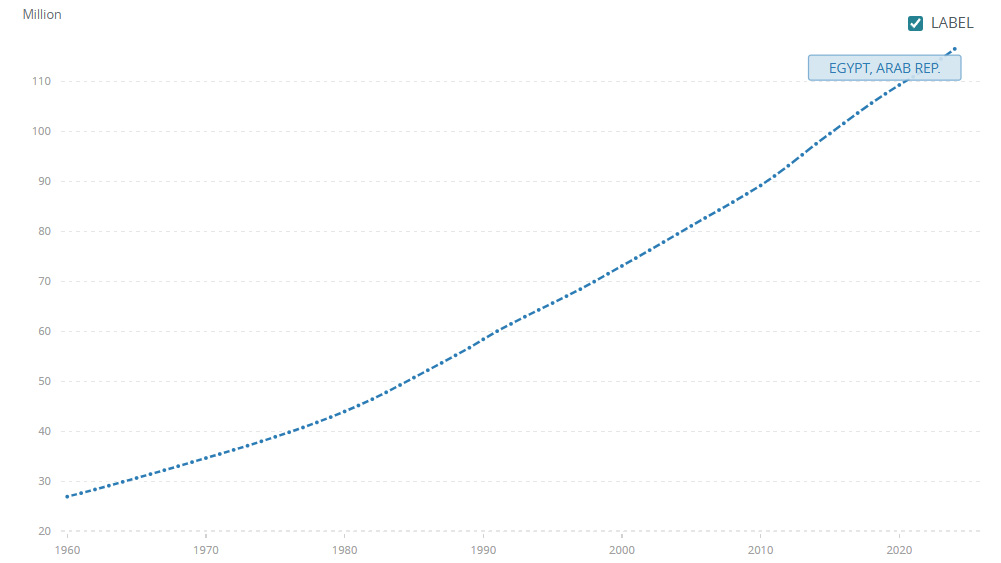 (Egypt Population - Source: World Bank)
While Japan’s population is declining by more than 0.9 million people annually, Egypt’s population is increasing by about 1.5 million each year. As a result, the population rankings of the two countries are expected to reverse within the next few years.
Egypt’s large population provides a strong foundation for sustained growth as both a labor market and a consumer market. In recent years, Turkey’s textile industry has increasingly relocated garment manufacturing plants to Egypt. Looking at economic growth, Egypt’s real GDP growth rate slowed to 2.4% in 2023–24 due to a sharp decline in Suez Canal toll revenues caused by attacks by Yemen’s Houthi forces in the Red Sea. However, the economy is currently on a recovery track, and growth in 2026 is projected at 4.2%. Although uncertainty surrounding the Red Sea situation remains, if safe maritime navigation can be restored, traffic through the Suez Canal is expected to recover, providing an additional boost to Egypt’s economic growth.
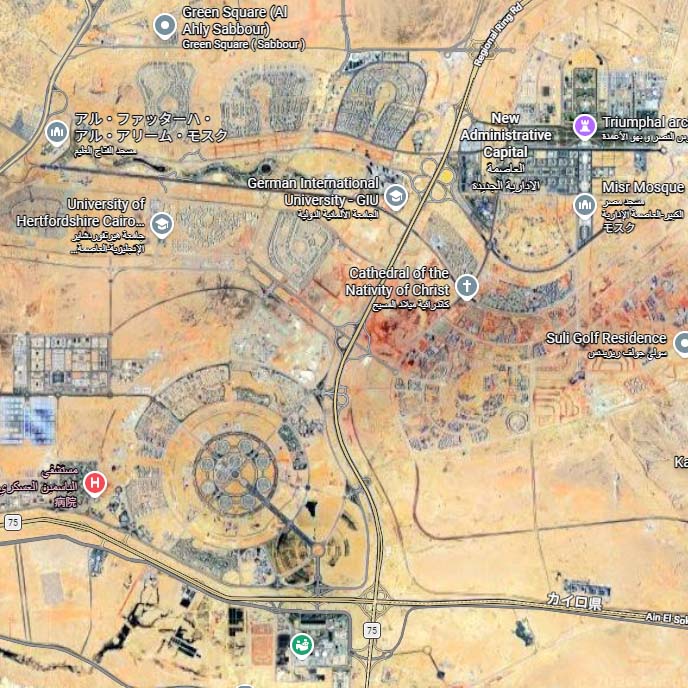 (New Capital City: A Rapidly Developing Urban Hub on Cairo’s Outskirts)
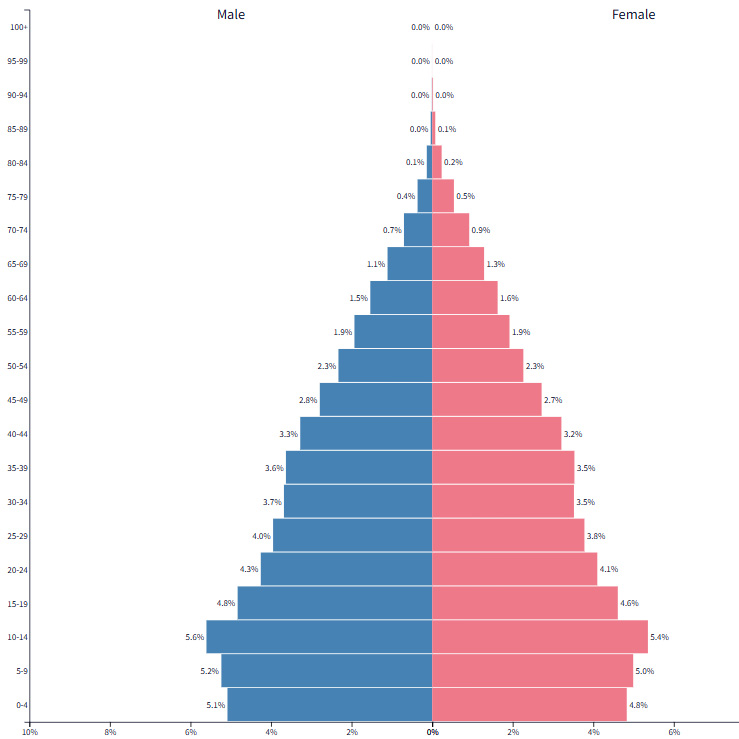
Compared with Japan, where measures to address the declining birthrate have had limited impact, Egypt—with its young and growing population—may appear enviable. At the same time, however, rapid population growth also brings challenges, including risks of food shortages, depletion of water resources, and persistently high unemployment. In addition, social infrastructure development has struggled to keep pace, leading to overcrowded schools, dense living environments, chronic traffic congestion, and environmental pollution.
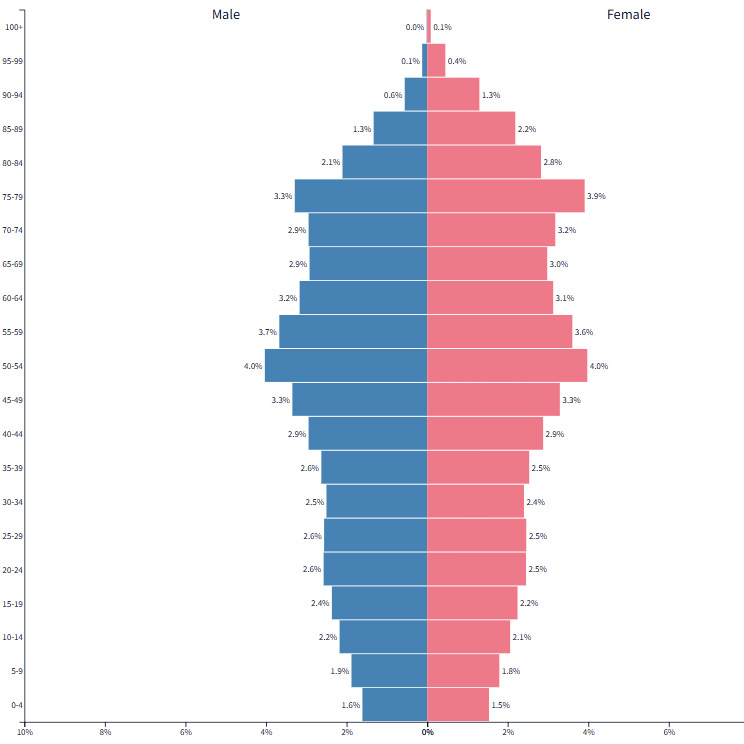
Countries facing population decline and those experiencing rapid population growth each confront their own set of challenges. Moreover, fertility trends are strongly influenced by individual values and preferences and cannot be fully controlled by government policy. Although they stand at opposite ends of the demographic spectrum, both Egypt and Japan face population-related issues. Going forward, transformations in social and economic systems aligned with demographic trends will be increasingly necessary.
References | Notes
Disclaimer: The information provided in this article is for general informational purposes only and may vary depending on local regulations and operational conditions. Please contact MOL or relevant authorities for case-specific guidance.