
“Excuse me, this package doesn’t have a postal code or address written on it…” We sometimes hear this kind of puzzled reaction from customers in Japan who are considering business in Africa.
In Japan, it’s taken for granted that if you have a postal code and street number, a package will be delivered precisely to your doorstep. But here in Kenya and East Africa, the logistics norms are very different.
“Why doesn’t it arrive at the specified location?” Behind this question lie two major barriers that differ from Japan.
The Two Barriers When Sending Packages from Japan
1. Infrastructure barrier: In many parts of Kenya and East Africa, there are no physical addresses like Japan’s “block number and street name.” It’s not unusual for destinations to lack clear street names or numbers, and sometimes they don’t even appear on Google Maps. Delivering to such places creates a physical “last mile” challenge.
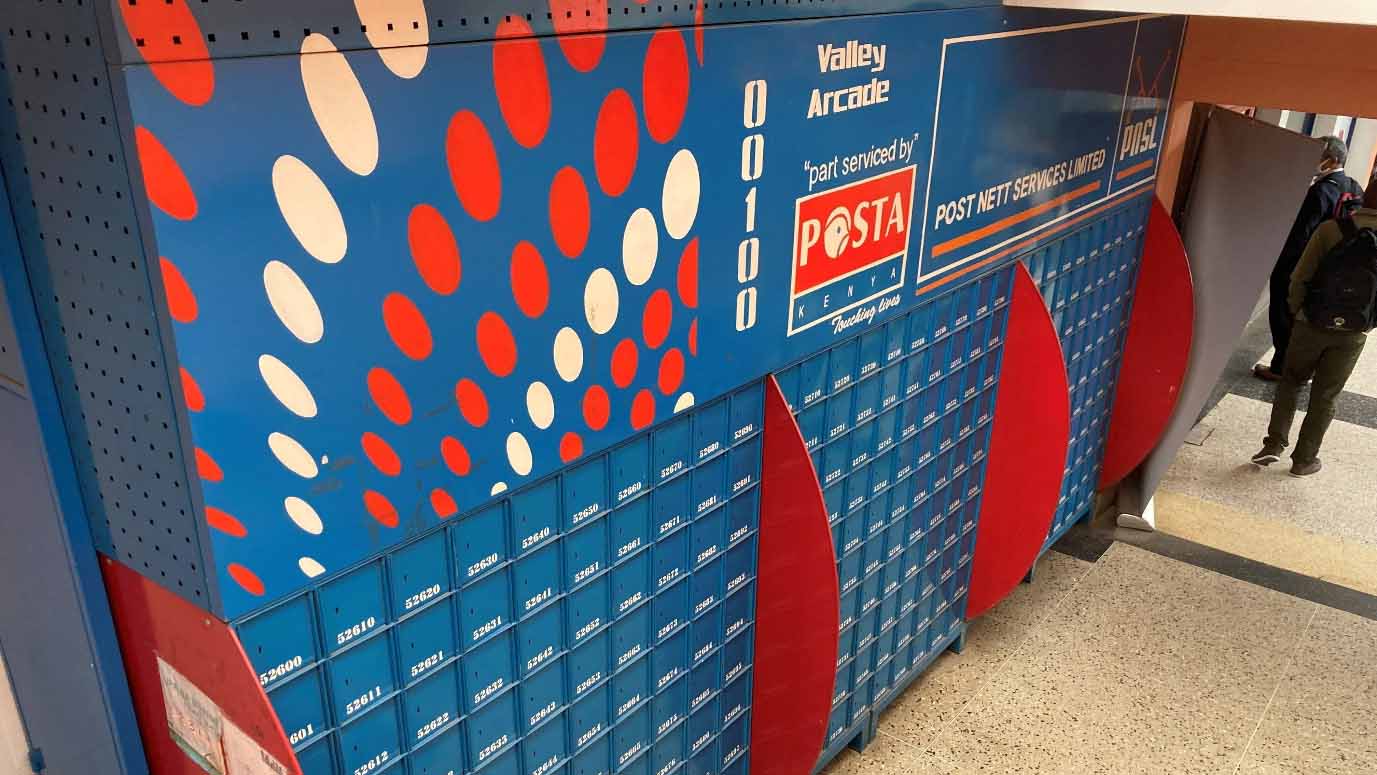
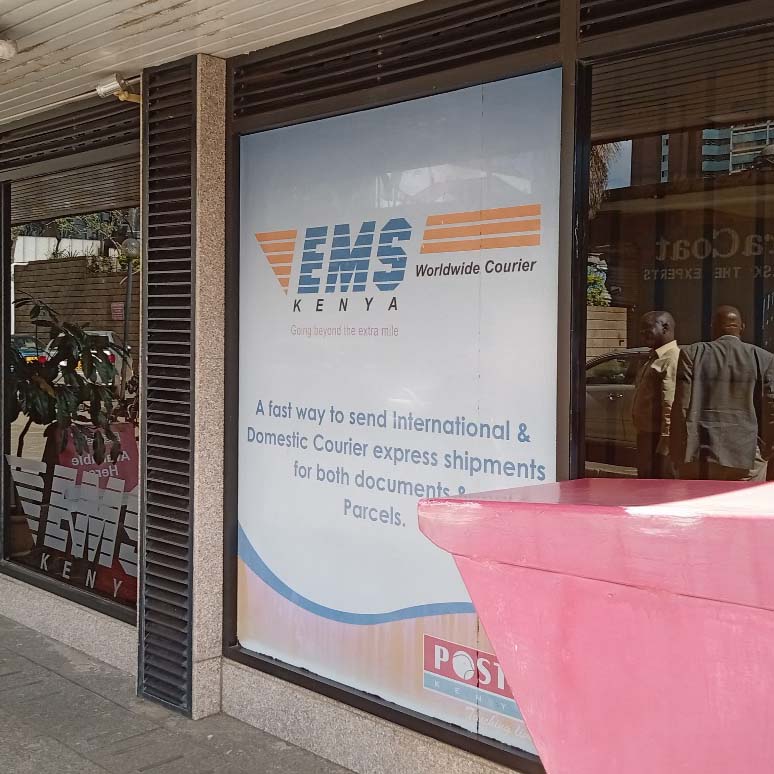
2. System barrier: : Even if there is an address, delivery via EMS (handled by the local postal corporation, POSTA) doesn’t guarantee doorstep service. When a package is sent from Japan via EMS, the Kenyan side is handled by POSTA. Kenya’s postal system is based on P.O. Boxes, not home delivery. So even if you write a precise home address, the package is usually held at the nearest post office (such as GPO). The recipient then receives a notice saying, “Your package has arrived, please come pick it up,” and must go in person.

The “last few kilometres” hurdle
For urgent business samples or documents, this final stretch has long been a psychological and physical obstacle.
MOL CART’s trial and “on-the-ground strength”
Recently, however, an interesting case occurred. Mr. Oyama from Mitsui O.S.K. Lines’ Kenya office tried our small-parcel delivery service “MOL CART” and reported: “I was able to receive the package at home without going to POSTA.”
This wasn’t due to any magical system. The key was the excellence of the local Kenyan agent. Instead of giving up with “no address, no delivery,” they maintained close contact with the recipient, provided an online platform for import duty payment, and completed the last mile.
-
Phone-based location and recipient confirmation:
In Kenya, the recipient’s mobile number is more important than the address itself. Agents call multiple times, confirm landmarks step by step, and ensure the recipient is physically present. -
Use of motorcycle couriers (Boda Boda):
Even if cars can’t access certain roads, local motorbike couriers who know the area well can cover the last few hundred metres.
Through these efforts, the “last mile” that is often abandoned became a completed delivery.

Why local partners matter
This episode highlights the importance of reliable local partners in logistics.
Mr. Oyama’s comment: “To be clear, I live in Nairobi in an apartment with a proper address (laughs). Yet with traditional services, I was always told to collect at GPO. What I realised with MOL CART is that beyond the paperwork, the key is how closely the local staff communicate with the recipient, how flexibly they act, and how they simplify tax payments. Even delivery to a clearly stated address isn’t straightforward in Kenya. Experiencing ‘home delivery’ felt extraordinary, and it reminded me that it’s made possible by the professionalism of local staff and technology.”
Logistics sales perspective: Africa’s growth potential
This experience reinforced an important point: It’s easy to dismiss “poor infrastructure = inconvenience.” But precisely because there are challenges like missing addresses, unique logistics solutions evolve here powered by human networks and mobile technology.
Our job in logistics sales isn’t just moving packages. It’s about identifying trustworthy partners and designing reliable routes that ensure delivery to the customer’s hands. The MOL CART trial was one example of this approach in action.
Logistics with a human touch, beyond the map. If you’re struggling with small-parcel delivery from Japan to Africa, check out MOL CART.

For MOL CART service site click here.
(Note: Kenya deliveries are currently in trial, so login differs from the standard MOL CART site. Please register via the above link. Corporate memberships also available.)
References | Notes
Disclaimer: The information provided in this article is for general informational purposes only and may vary depending on local regulations and operational conditions. Please contact MOL or relevant authorities for case-specific guidance.