
Zanzibar Island, off the coast of Tanzania, is widely imagined as a place of “white sandy beaches and crystal-clear waters.” Of course, its beauty lives up to the expectations, but visiting the island reveals much more: streets steeped in trading history, spice-scented plantations, a mix of cultures reflected in local food and everyday life, and countless other rich experiences. In this blog, I introduce Zanzibar’s depth—from how to get there, city walks, and spice experiences to historical and political insights, and even soccer culture.
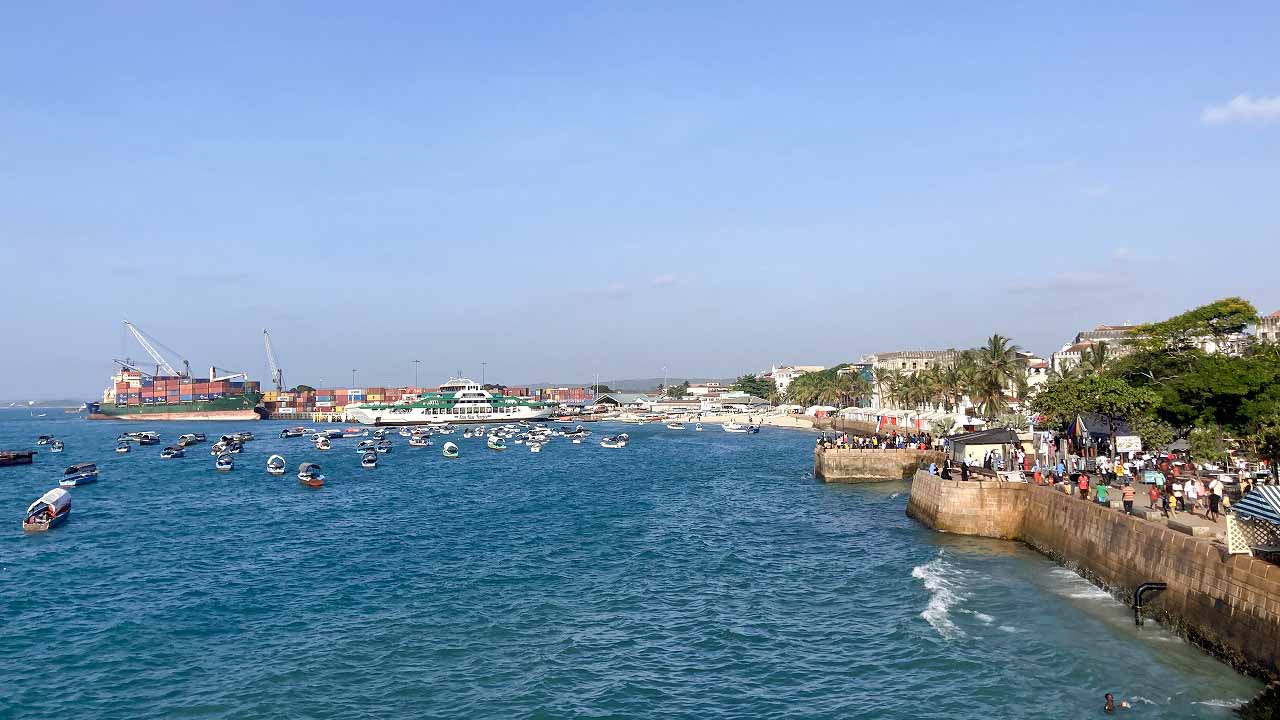
Overview of Zanzibar: The “Spice Island” with Two Faces
Zanzibar consists of 51 islands, mainly the two large ones—Unguja (commonly called “Zanzibar Island”) and Pemba Island—along with several smaller islands. This blog focuses on my visit to Zanzibar Island.
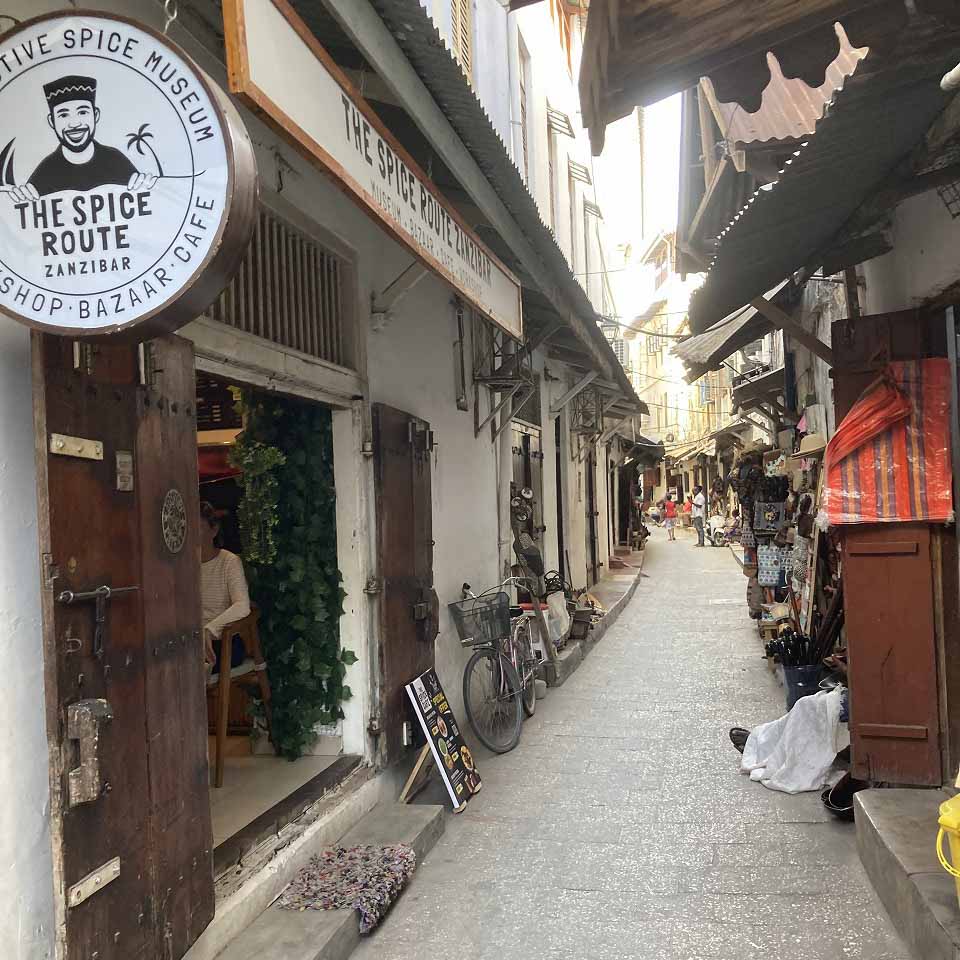
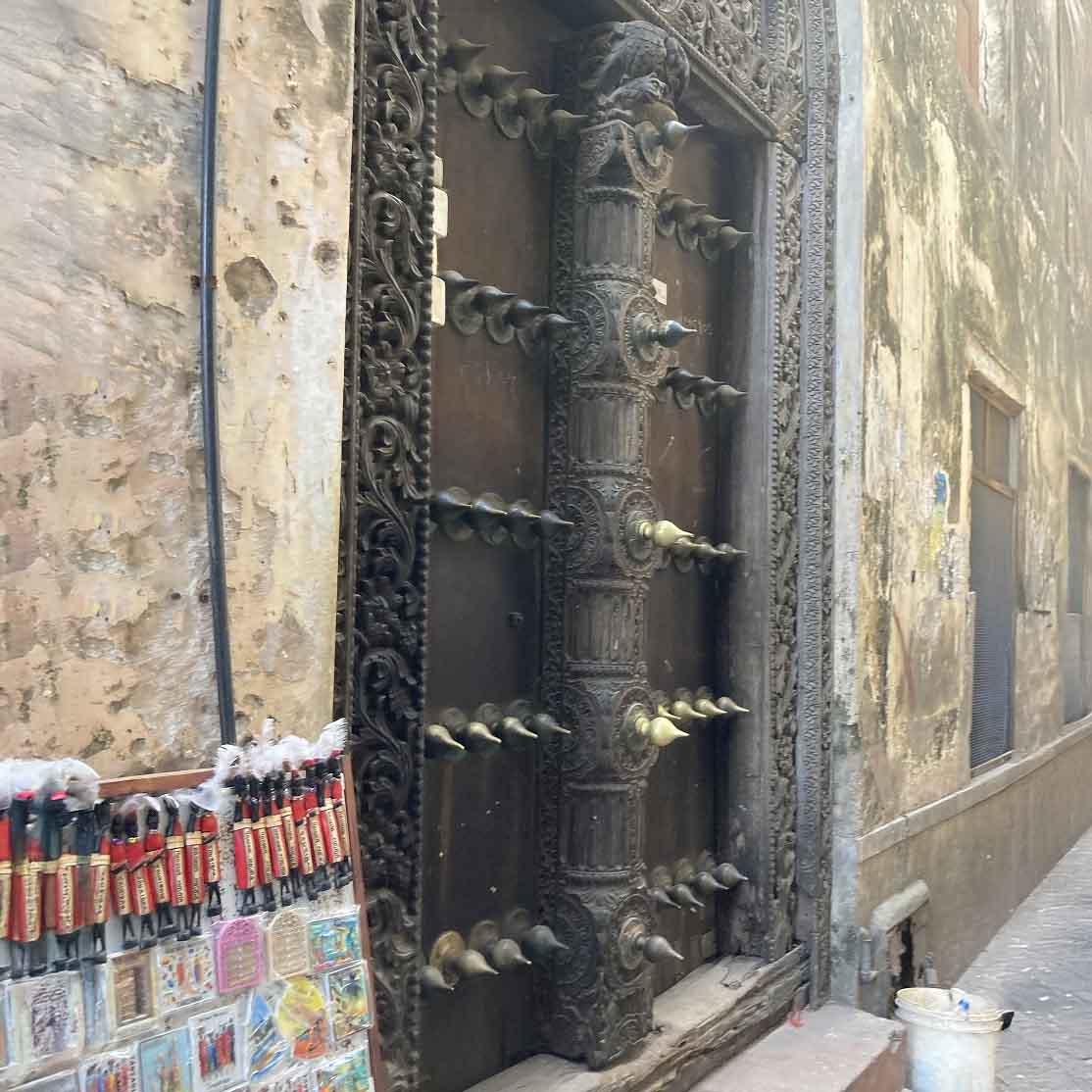
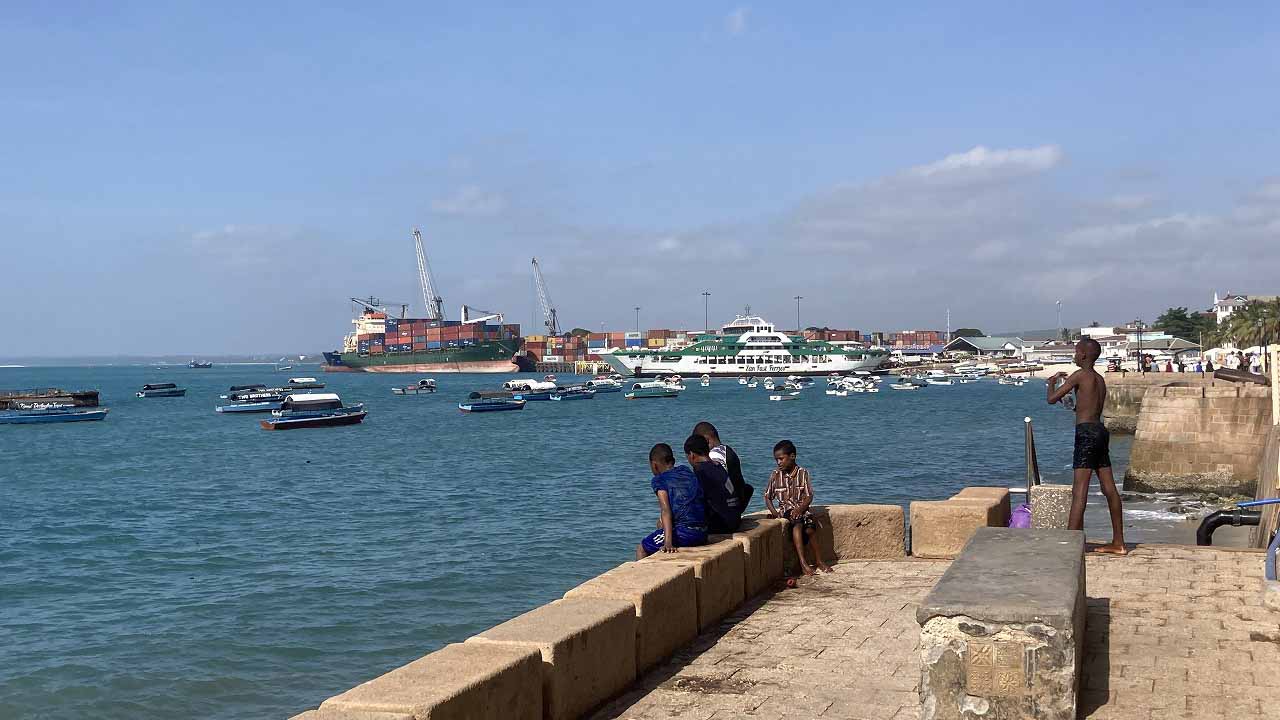
The coastal resort areas change dramatically with the tides, especially along the east coast, where shallow lagoons appear at low tide, creating a magical landscape. Meanwhile, Stone Town, the capital, is a maze-like city condensed with the history of Indian Ocean trade. Arab, Persian, Indian, African, and European cultures overlap in the city, visible in everything from carved doors to spice markets and stone architecture—every detail reflects a “blended beauty.”
The climate is warm year-round, with the dry seasons (June–October and December–February) generally considered the best time to visit. Days can be very sunny and humid, so wearing a hat, light long sleeves, and staying hydrated will make your stay more comfortable. Zanzibar is also an island with a strong Islamic culture, so modest clothing that doesn’t expose too much skin is appreciated while walking around the city.
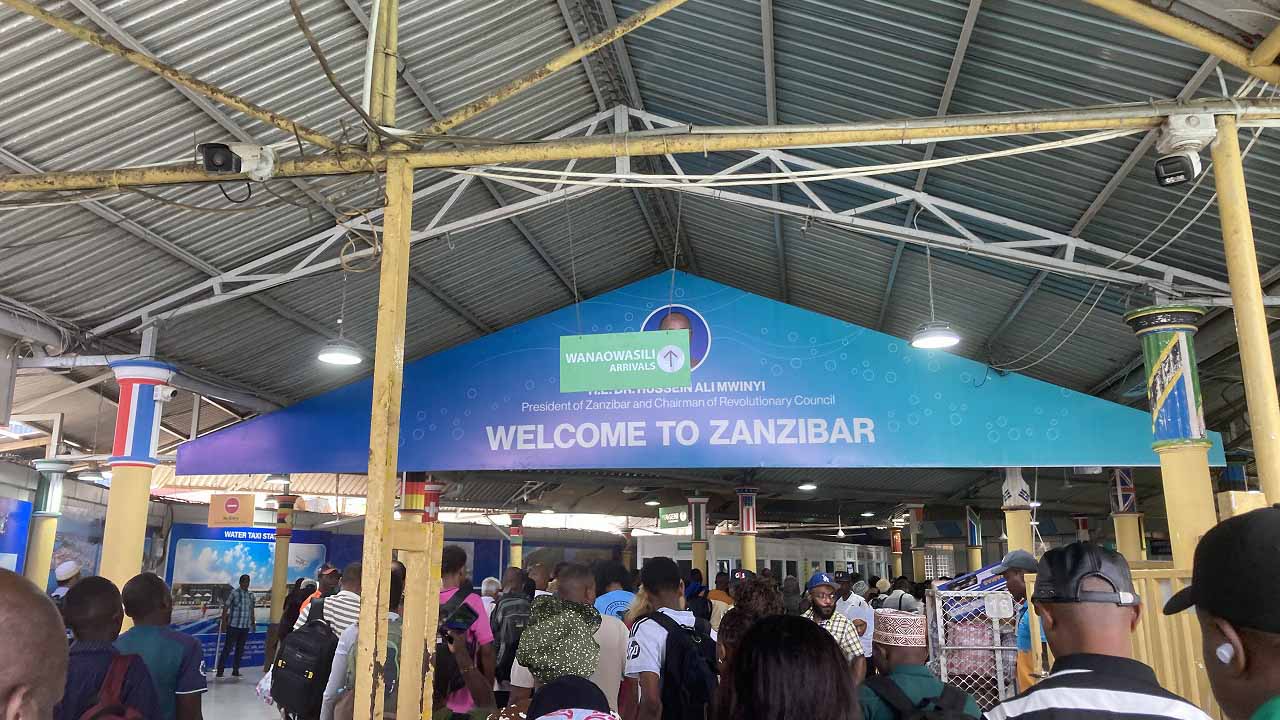
Getting There from Dar es Salaam: Ferry or Plane, Both Full of Travel Charm
For this trip, I took the ferry to Zanzibar and returned by plane.
Ferry: A 1.5-hour mini sea adventure
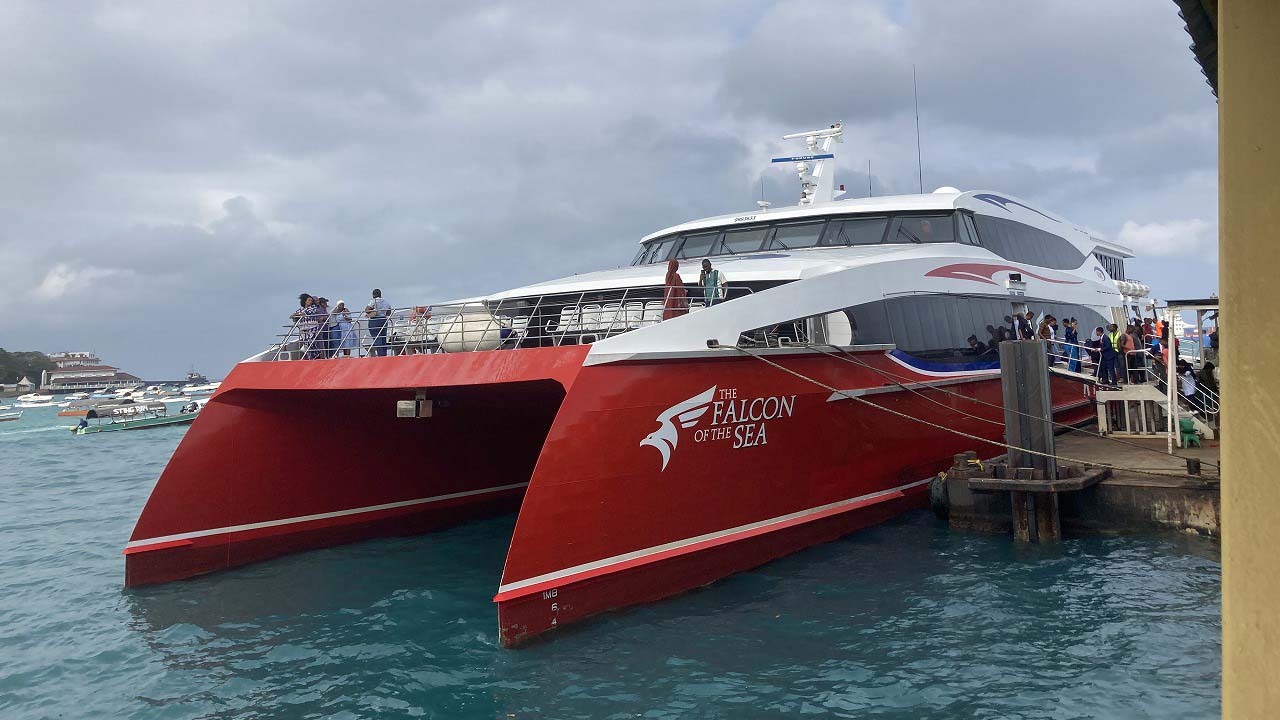
From Dar es Salaam port, the high-speed ferry reaches Zanzibar in about 1.5 hours. On deck, the endless blue of the Indian Ocean spreads out, and watching fishing boats and cargo vessels as you approach the island makes the journey itself feel like part of the adventure. The port can get crowded, so it’s wise to arrive early. Some ferries have strong air conditioning, so a light jacket can be useful.
Tips for the ferry:
- If possible, reserve a seat in advance. (When I tried online, the system was down, haha.)
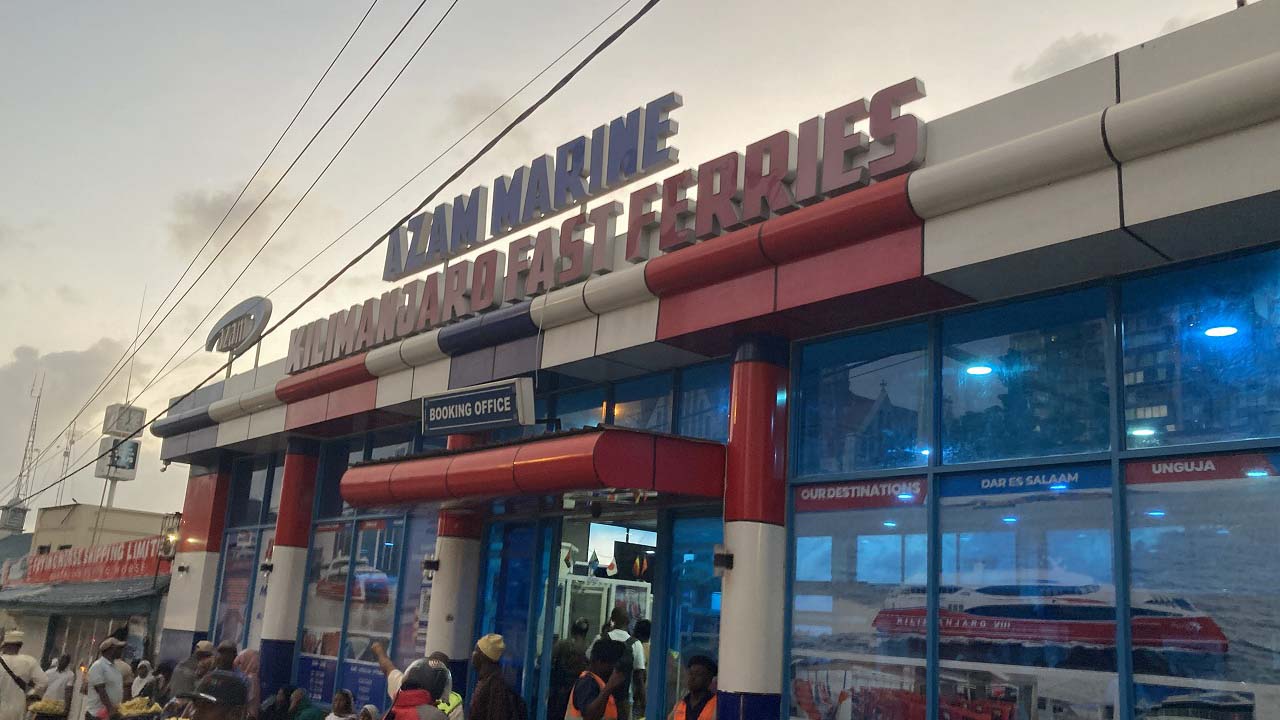
- Azam Marine offers four classes ranging from Economy to Royal, priced between $35–$100. I chose the second-highest class at $60, which was very comfortable. Snacks such as mandazi (triangular or round fried dough) and drinks were provided.
Plane: Turquoise gradients from above
Flying from Dar es Salaam takes about 20 minutes. Soon after take-off, the ocean stretches out in a beautiful gradient of blues. For travellers with limited time, this is a great option. Most flights use small aircraft with baggage size and weight limits, so check before boarding. Seating is open (any seat), and my Flight Link ticket cost $35 one-way.

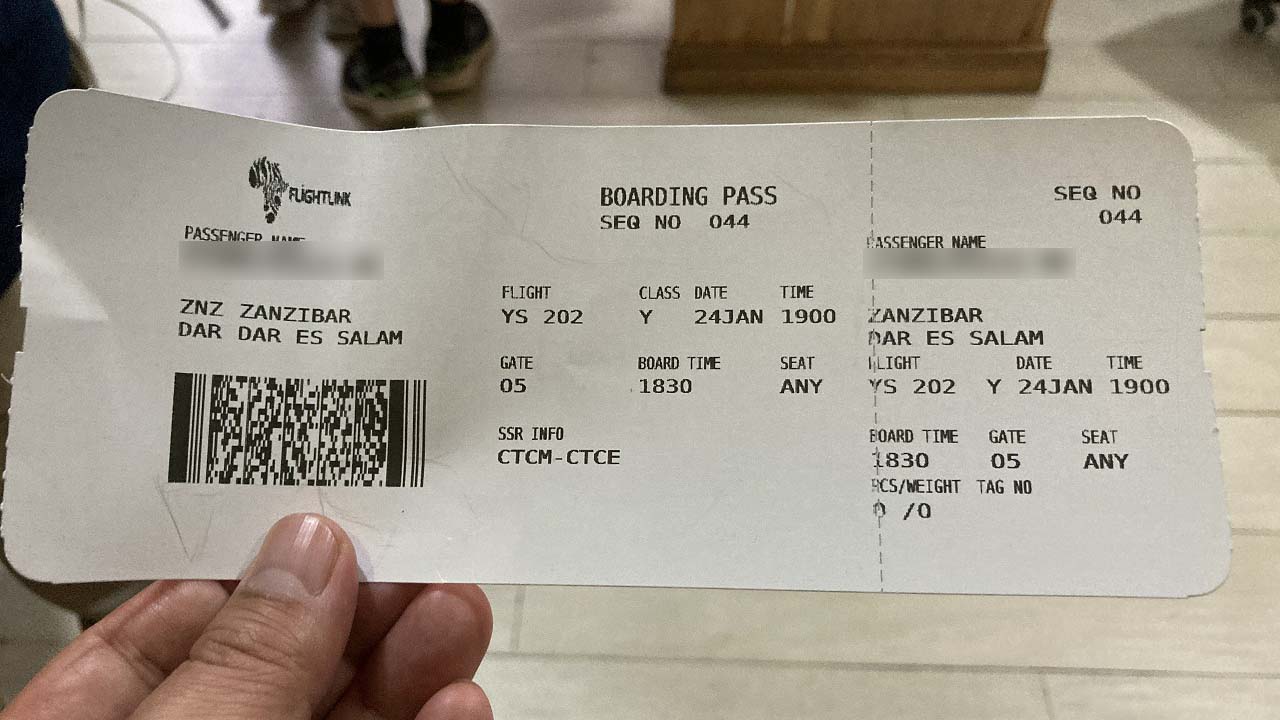
Note: Inbound Travel Insurance for Zanzibar
Since October 2024, all travellers entering Zanzibar must purchase the government-specified “Inbound Travel Insurance.” The cost is $44 for adults, $22 for children, and free for children under 3. Coverage lasts up to 92 days and is checked at immigration. Even if you already have private travel insurance, this is mandatory. I applied online via my phone while waiting at Dar es Salaam port and paid by credit card.
For useful e-SIM tips while traveling in Africa, see:
Revolutionizing Africa Business Trips! Comfortable Internet with e-SIM
Walking in Stone Town: Memories Etched in a Maze of Alleys
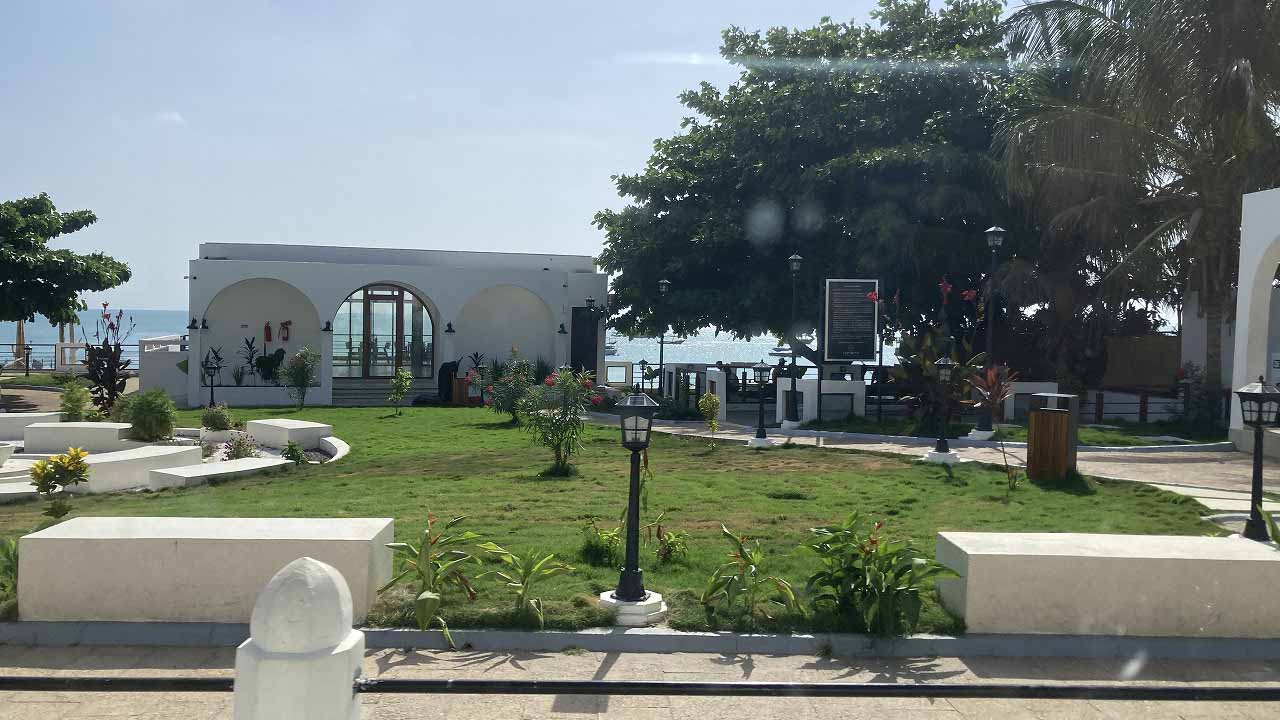
Stone Town is more than just an “old town.” Darajani Bazaar is vibrant with spices, fruit, and fresh seafood. The thick walls of the Old Fort speak of the island’s history as a fortress. At dusk, Forodhani Gardens fills with food stalls serving Zanzibar pizza, grilled seafood, and sugarcane juice. At the Anglican Cathedral, built on the site of the former slave market, you can quietly learn about the painful history, adding depth to your journey.
While walking the streets, you’ll encounter Zanzibar doors decorated with heavy metal fittings and geometric patterns, showcasing exquisite craftsmanship. The alleys are narrow and winding, occasionally opening to small squares, and then twisting into new lanes—like a labyrinth. A dhow cruise at sunset is also recommended; watching the sun sink into the ocean while the outline of Stone Town glows orange is unforgettable.
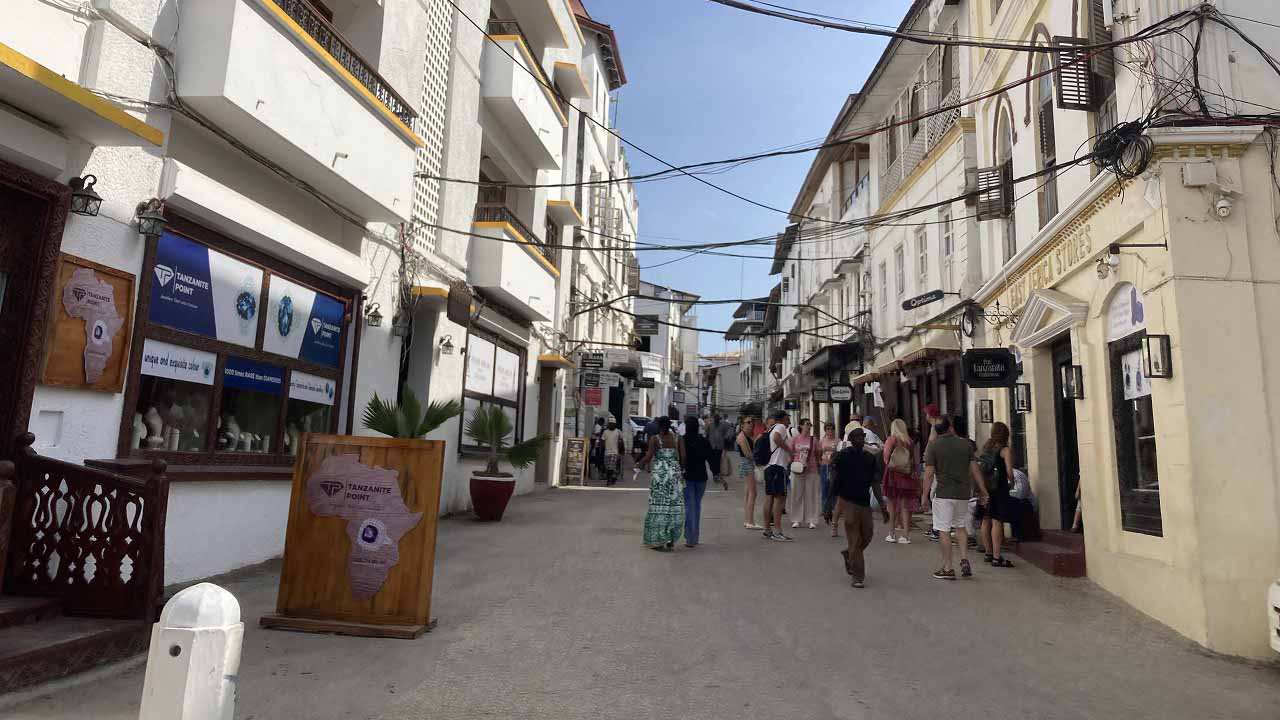
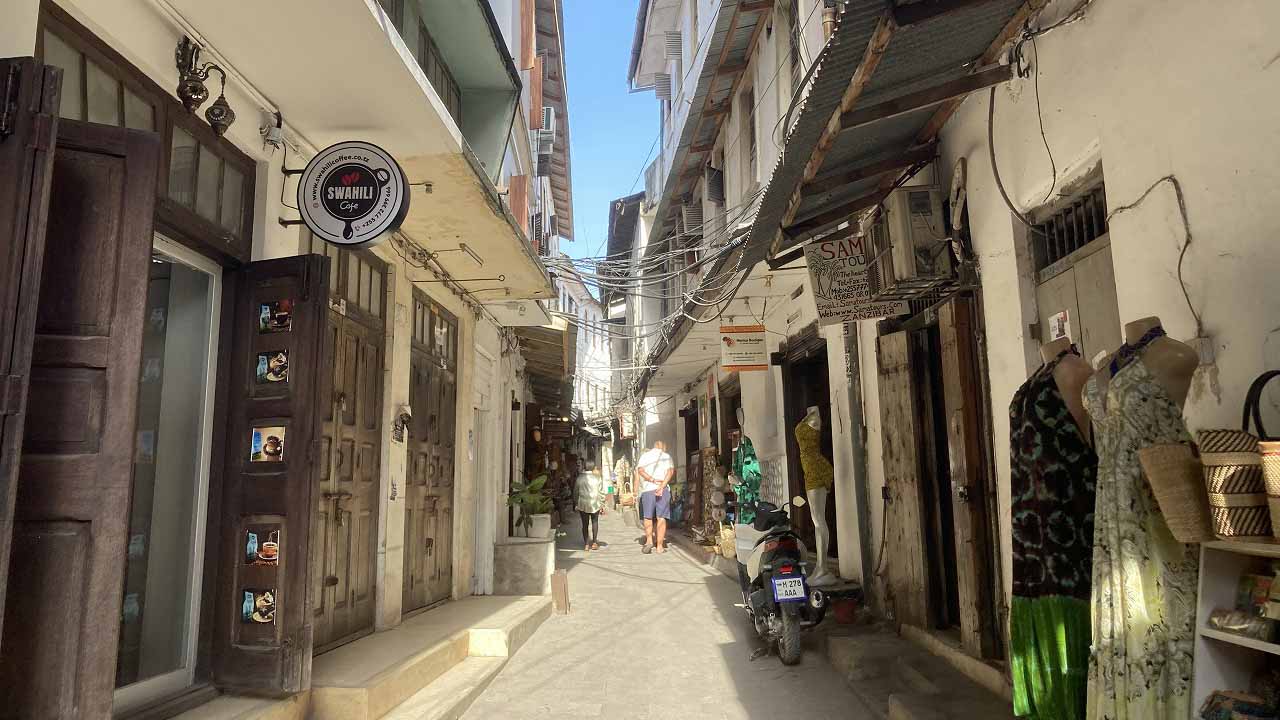
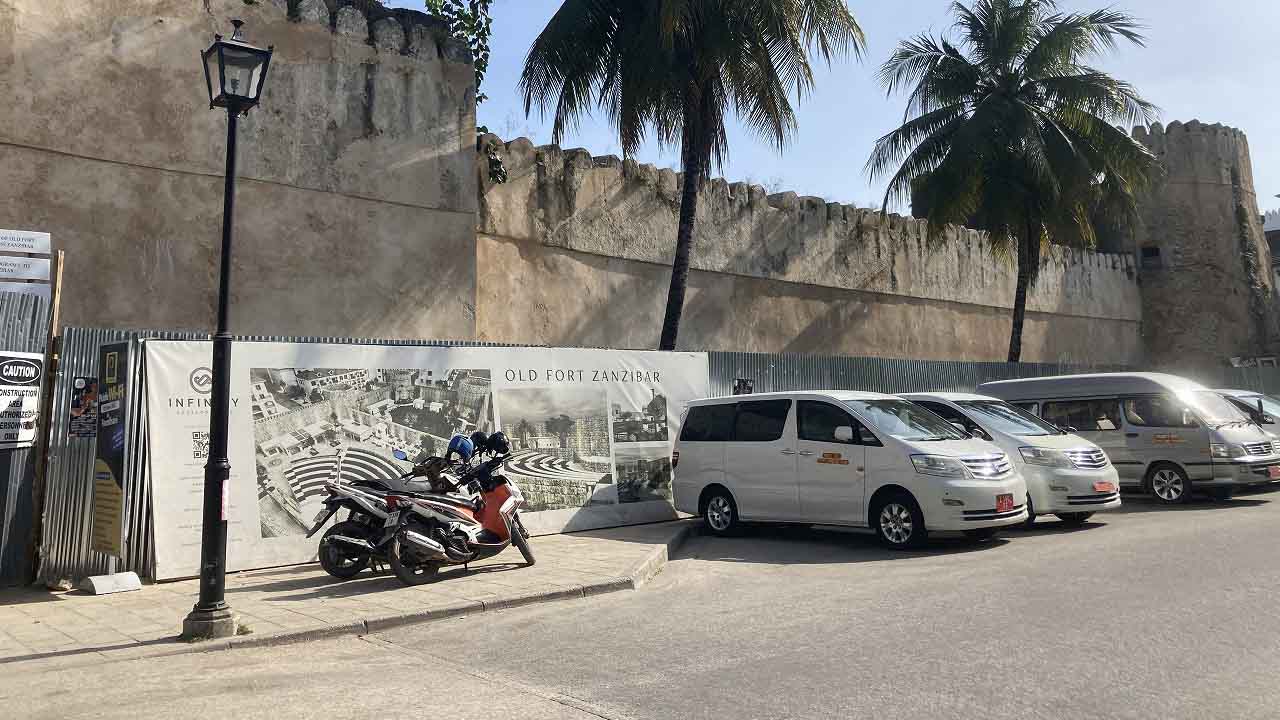
Experiencing the Spice Island: Learning with Your Senses
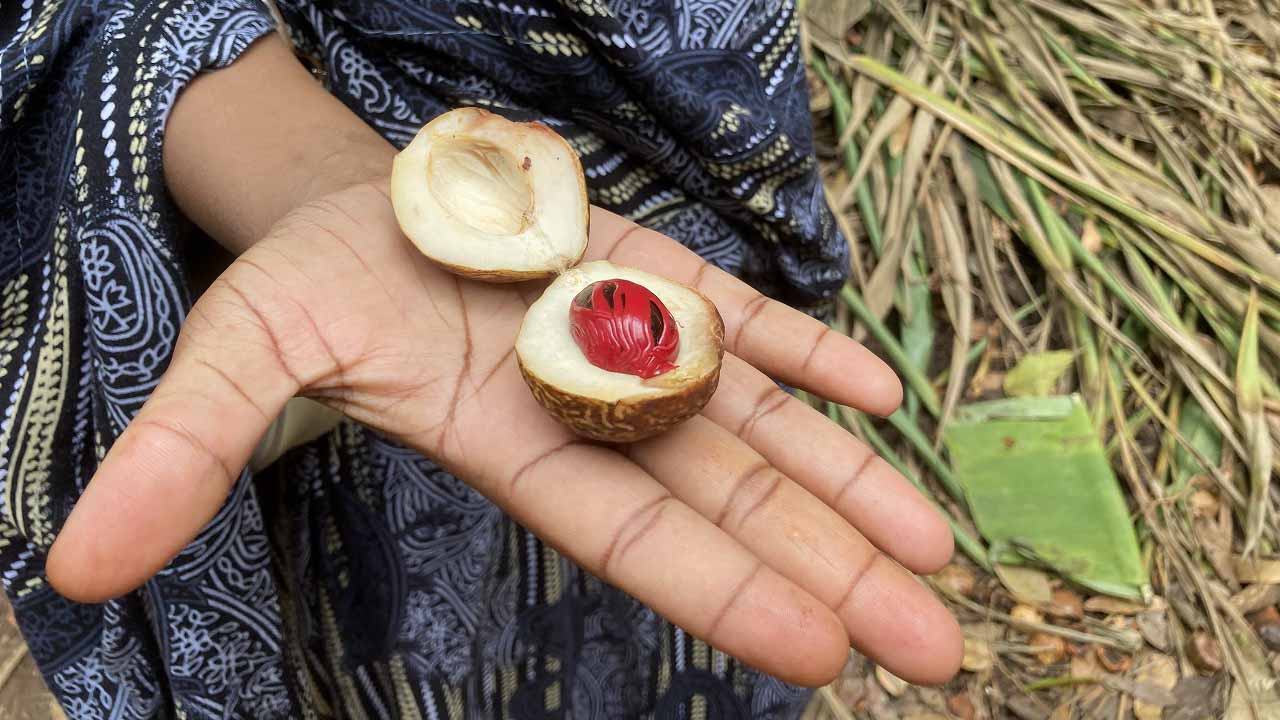
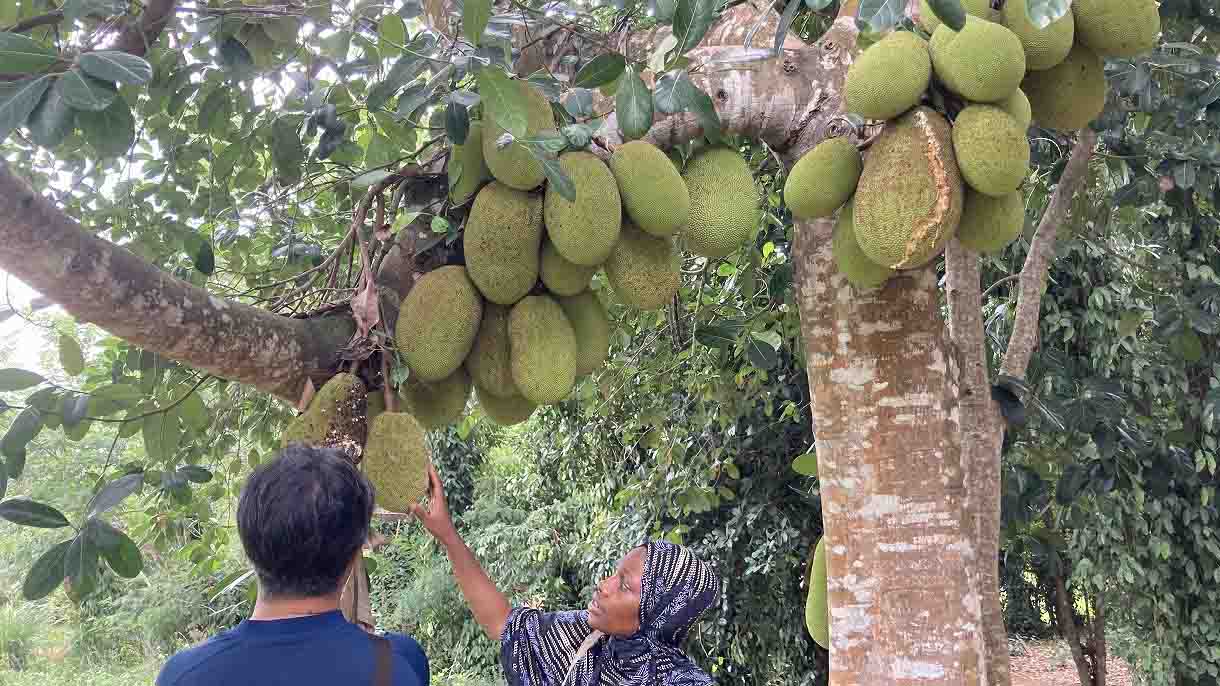
Zanzibar, known as the “Spice Island,” produces cloves, cinnamon, cardamom, nutmeg, pepper, vanilla, and more. Spice farm tours let you rub leaves to smell, scrape bark to taste, and observe fruit-bearing trees—experiences you won’t find in textbooks. Some farms even let you crack fresh coconuts or taste seasonal fruits.
Spices are closely tied to climate, soil, and trading history. Clove cultivation expanded under Omani rule and supported the island’s economy. Learning this history makes even a pinch of spice feel more meaningful. Popular souvenirs include small spice sets, spice soaps, and oils.
Zanzibar History: Layers of Time at a Trade Crossroads
Zanzibar has long thrived as a key hub of Indian Ocean trade and was a centre of Swahili culture along the East African coast. In the 19th century, it became an Omani Empire base, flourishing through trade in spices and ivory. At the same time, the island bears a heavy history of human trafficking; former slave market sites and monuments serve as important places of reflection.
After a period as a British protectorate, the mid-20th century saw turbulent years leading to independence. In 1964, following a revolution, Zanzibar merged with Tanganyika to form the United Republic of Tanzania.
This history remains visible in architecture, language, and food. Swahili is interspersed with Arabic and Indian words, cuisine uses abundant coconut and spices, and meals focus on the bounty of the sea. Travelers can sense the layered memories of generations in every flavour, sound, and scent of the streets.
Zanzibar Politics: A Semi-Autonomous System
While part of the United Republic of Tanzania, Zanzibar has its own president and legislature. The two main islands (Unguja and Pemba) form the semi-autonomous “Revolutionary Government of Zanzibar.” The federal government handles foreign affairs, defence, and currency, while Zanzibar retains broad authority over internal matters.
From a travel perspective, the islands’ administrative signs, holidays, and flags display a distinct Zanzibar identity. The dual-presidency system reflects the island’s historical trajectory and functions as a way to respect cultural diversity. Knowing this adds insight when observing local notices or news.
Bonus: Unique Football Culture
Even sports reflect Zanzibar’s individuality. The Zanzibar national team participates in regional tournaments, while the Tanzania national team (Taifa Stars) competes internationally. At matches, flags and songs show island pride, and watching locals gather around TVs for big matches highlights how football is deeply embedded in daily life.

References | Notes
Disclaimer: The information provided in this article is for general informational purposes only and may vary depending on local regulations and operational conditions. Please contact MOL or relevant authorities for case-specific guidance.