
Christmas with Family
December in Kenya is completely different from the year-end in Japan. With temperatures around 25°C and strong sunshine, people greet each other cheerfully with “Merry Christmas!” There’s no snow, but as December begins, the streets gradually take on festive colours. You see people carrying shopping bags and shop clerks wearing Santa hats here and there. The whole city slowly becomes wrapped in the Christmas mood.
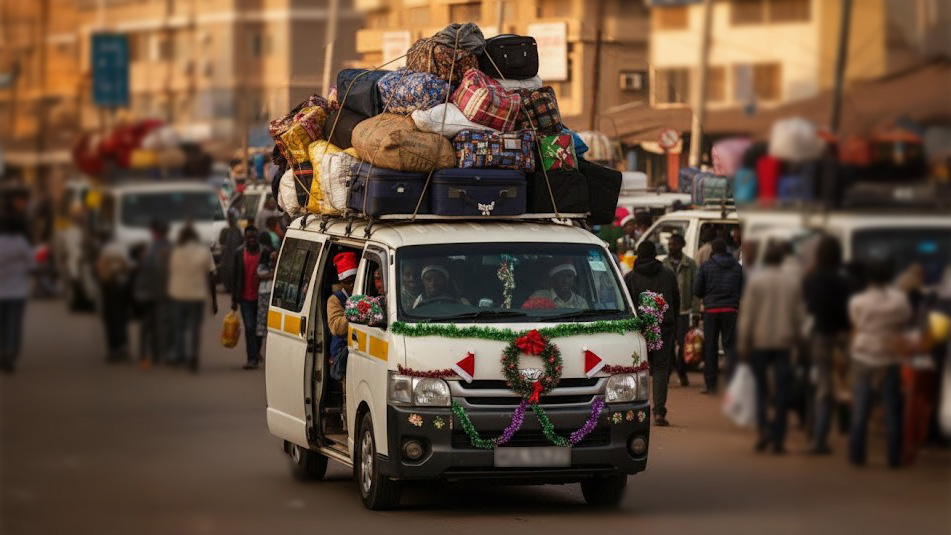
It is said that about 80–90% of Kenya’s population are Christians, so Christmas is both a religious occasion and a national event. Many people return to their rural hometowns—known as “upcountry”—to spend time with family and relatives. By mid-December, long-distance bus tickets are hard to get, and the streets are full of people carrying large luggage. Nairobi’s traffic jams ease as if by magic, and the city centre and offices become quiet.
On the other hand, supermarkets and restaurants—the retail sector—face their busiest time of the year. Many clerks laugh, saying, “December is a battlefield.” Shops are packed with people stocking up before heading home, buying food, drinks, clothes, and gifts in bulk. Long queues form at the tills. The streets are lively, but the ports slow down—that’s December in Kenya.
On Christmas Day, time with family is treasured. People gather around nyama choma (barbecued meat) in the yard, children run around in new clothes, hymns echo in churches, and relatives gather for dinner in the evening. “Spending time with family” is considered the greatest gift in this country.
In December, the atmosphere in town feels lifted. At supermarkets and in taxis, you hear “Merry Christmas!” more often,
often accompanied by requests for tips. Clerks and drivers are more enthusiastic than usual, helping with bagging and
unloading (with a smile).
Unfortunately, this season also sees an increase in pickpocketing and robberies. Sometimes it’s said to be “to buy
children’s presents,” but perhaps it stems from the strong emphasis on family. Either way, one needs to act with a bit
more caution at year’s end.
New Year’s in Kenya is surprisingly low-key. Christmas on 25 December is the biggest event of the year. There are
fireworks and countdowns at midnight, but buses start running the next day, and many companies resume normal operations
from 2 January. After exchanging “Happy New Year!” greetings, people quickly switch back to work mode. There is no
culture of long New Year holidays.
Slow Ports
For those of us in the logistics industry, December is a delicate time. Many staff at customs, transport companies, and port authorities take holidays, so clearance procedures move more slowly than usual. Approvals of documents and schedules for physical inspections are delayed, sometimes spilling over into the new year. While cargo remains at the port, storage fees accumulate, so each year we recommend customers avoid shipping during this period. For example, if cargo must arrive before year-end, we advise importing by November. If there’s flexibility, adjusting arrival to January or later helps avoid the congestion of December, reducing risks of longer lead times and higher costs. Of course, we arrange shipments according to customers’ schedules, but since port operations tend to take longer at year-end, we recommend advance planning.
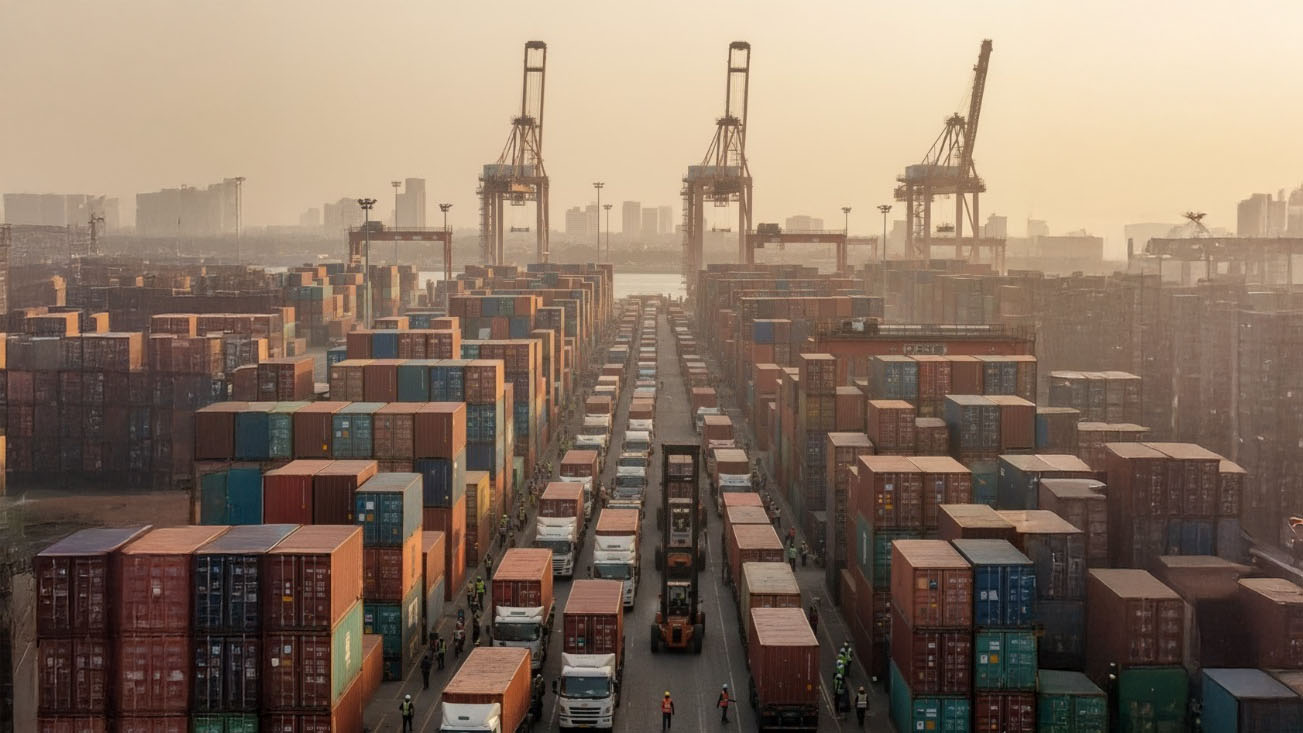
After the New Year, port and customs operations gradually resume. It’s not full speed immediately; instead, backlogged
cargo and pending documents from year-end are processed step by step. Staff return gradually, and operations slowly
return to normal pace. It feels less like “the port starts moving” and more like “the backlog from year-end is being
cleared bit by bit.”
This year too, the ports will slow down at year-end. Yet beyond that, people cherish peaceful time with their families.
We, too, want to ensure cargo is delivered safely so that everyone can welcome the New Year with peace of mind, staying
focused until the very end.
References | Notes
Disclaimer: The information provided in this article is for general informational purposes only and may vary depending on local regulations and operational conditions. Please contact MOL or relevant authorities for case-specific guidance.