
Ten years ago, Japan was mainly known among Kenyans for its automobile manufacturing, and many people could hardly differentiate between Japan, China, and Korea. However, as time has passed and more people knowledgeable about Japan, institutions, and cultural influences have emerged within the country, Japanese culture has steadily begun to take root in Kenya.
Among the younger generation, anime has become one of the most influential aspects of Japanese culture. The COVID 19 lockdown period, alongside the shift from physical to virtual lifestyles, gave many people the freedom to explore new forms of entertainment. Although specific growth figures for Kenya are not readily available, anime undeniably experienced a boom during this time, evolving into a nationwide craze.
However, anime has long had a strong presence in Kenya, with events such as Otamatsuri being held even before the lockdown. Over the years, it has become—and continues to be—a highly popular event within Kenya’s anime community.

This year, we had the opportunity to attend Otamatsuri and experience firsthand the enthusiasm Kenyans have for Japanese culture. The venue was packed with attendees, creating a lively and energetic atmosphere throughout the event. Numerous stalls offered authentic Japanese cuisine, as well as creative combinations of Kenyan and Japanese dishes. There were also booths selling anime merchandise and a variety of Japanese and other Asian products.
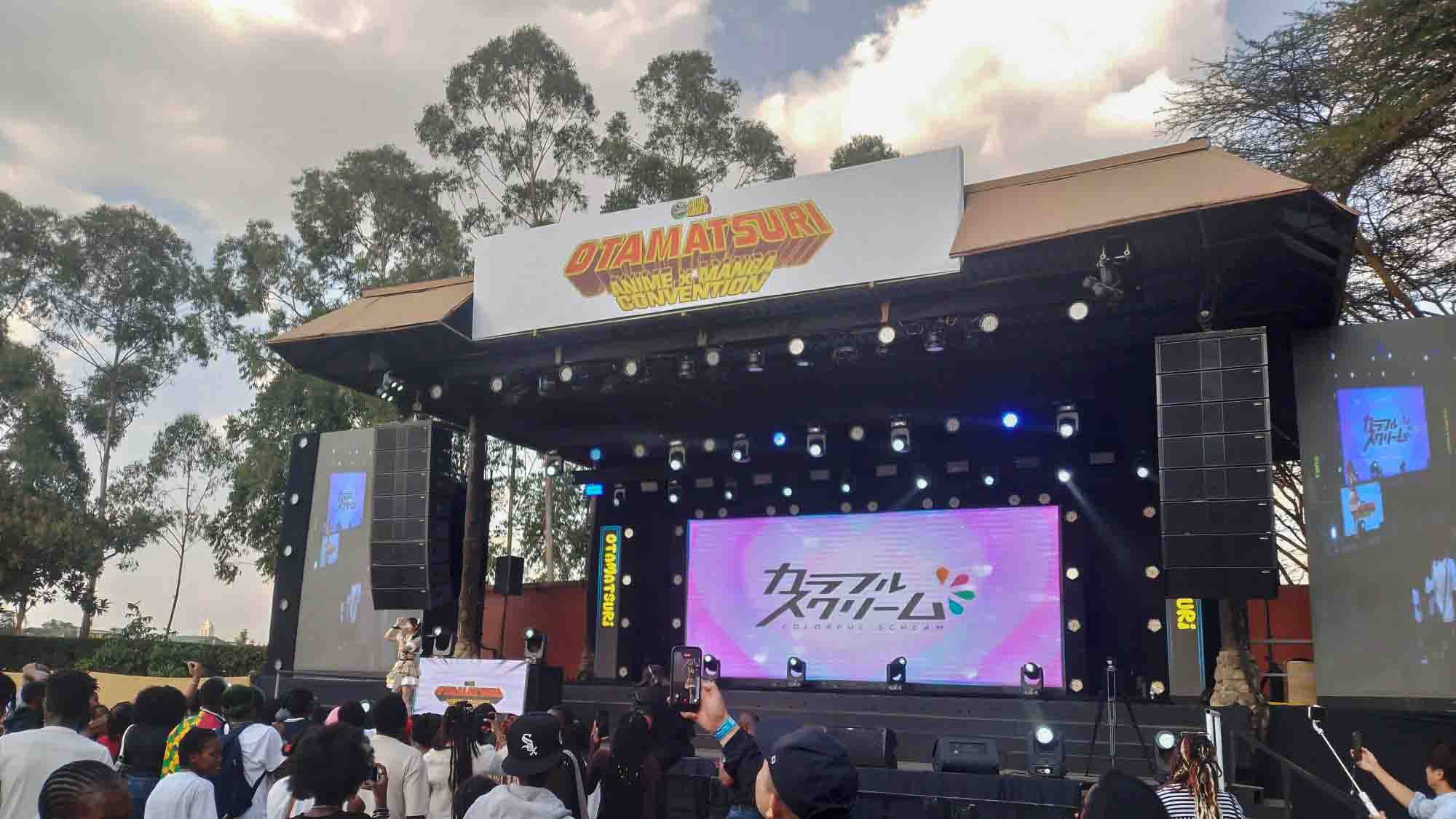
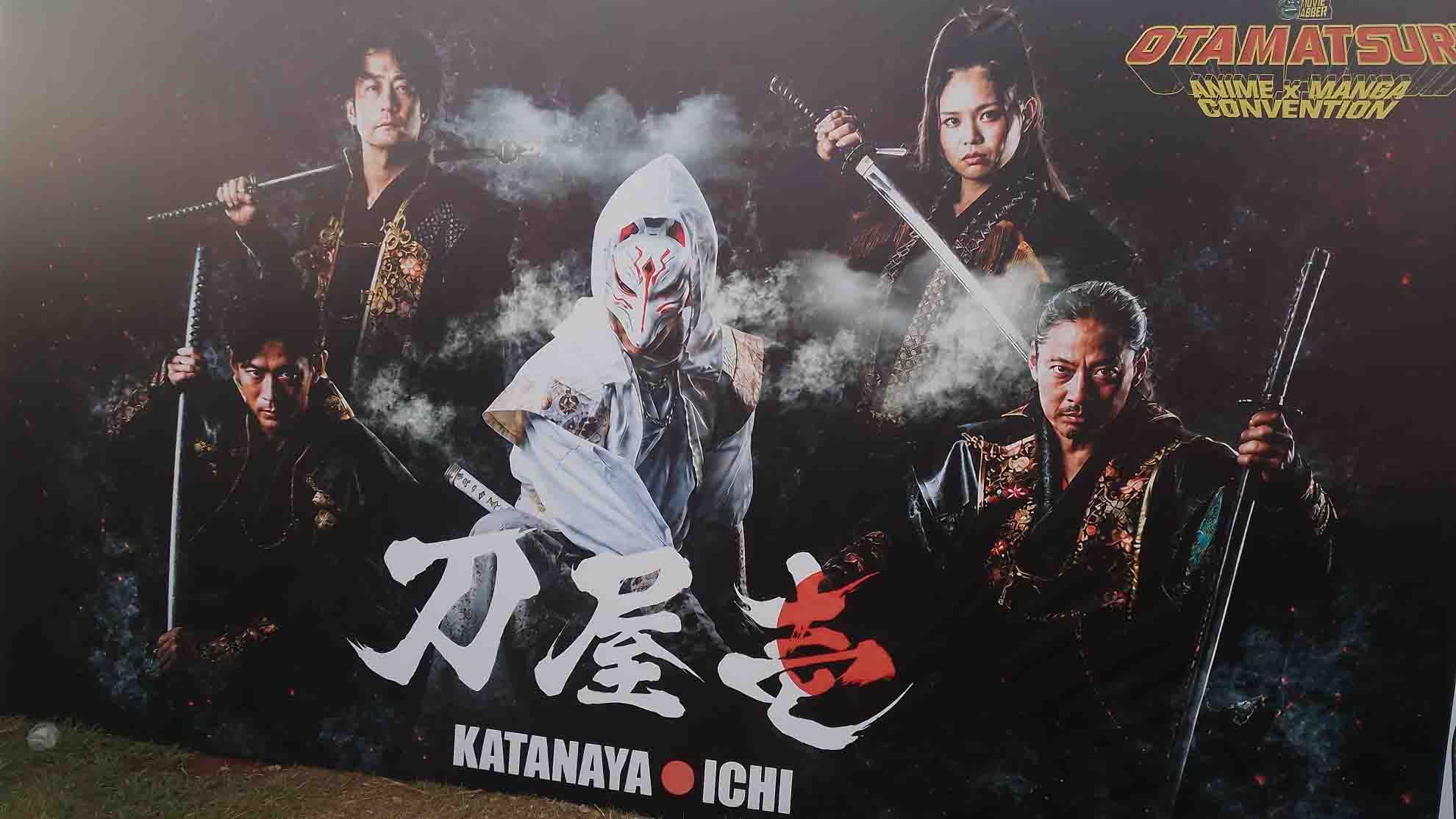
The event also featured Japanese idols who performed for the audience, as well as demonstrations showcasing samurai culture, Cosplay contests, and katana techniques. Seeing the enthusiasm and participation of so many people was a wonderful reminder of the growing interest in Japanese culture in Kenya.
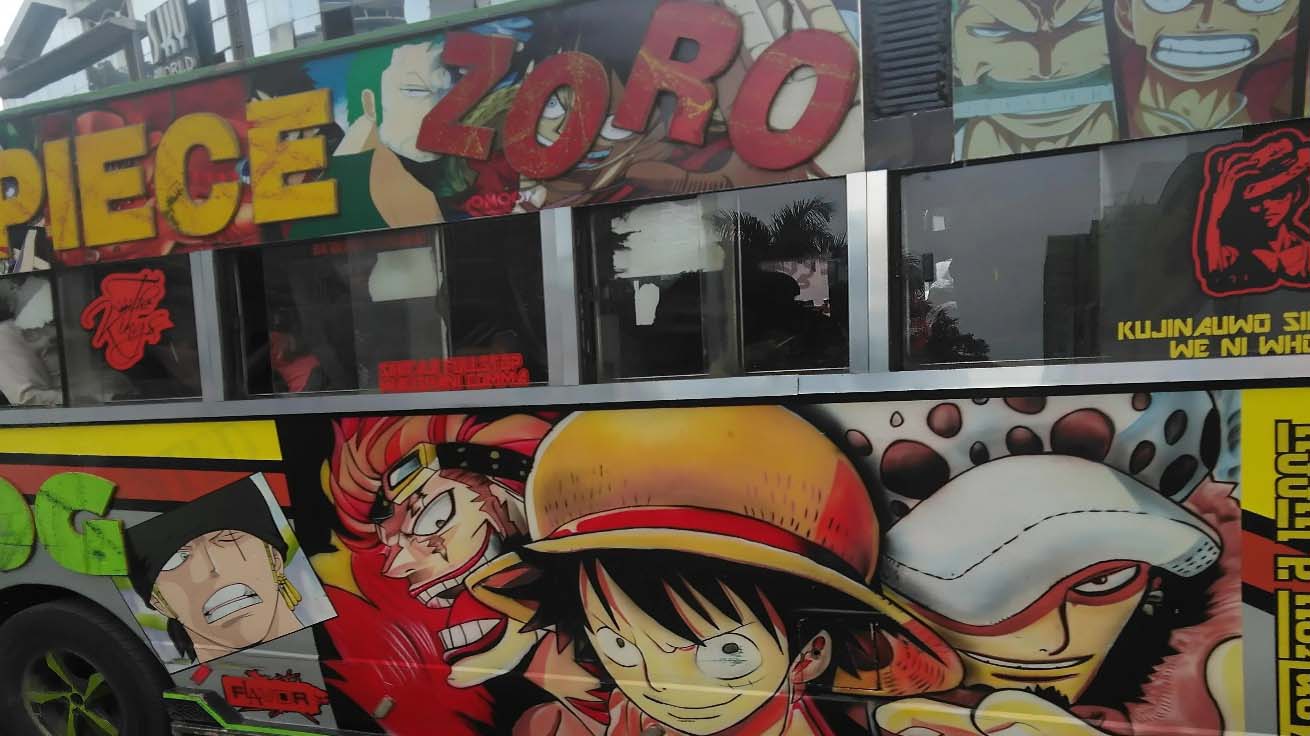
Anime’s popularity in Kenya is so widespread that even matatus—the country’s primary mode of public transport—now feature anime graffiti and Japanese themed artwork. It is no longer unusual to see matatus decorated with characters straight out of anime series.
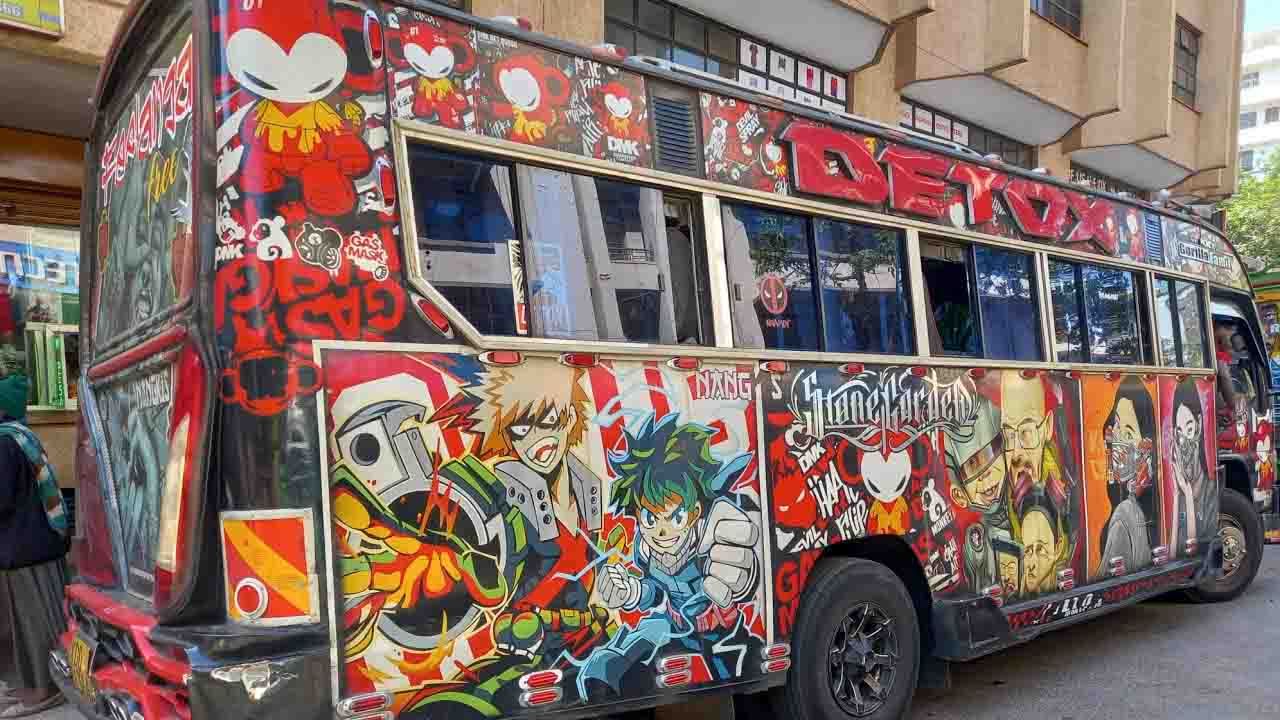
Some buses even carry names inspired by Japanese concepts such as ikigai, a philosophy centred on finding purpose in life, and harukaze, a poetic term referring to the gentle winds of spring.
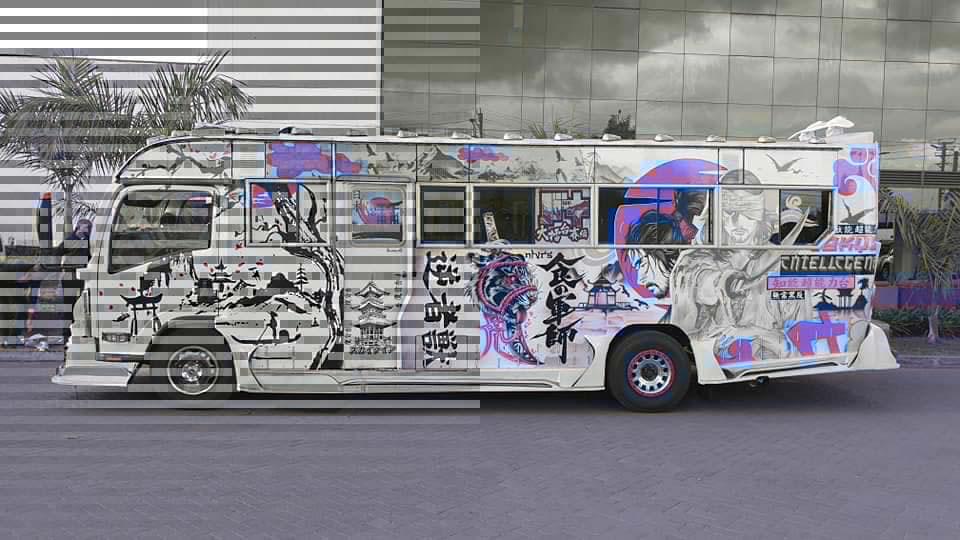
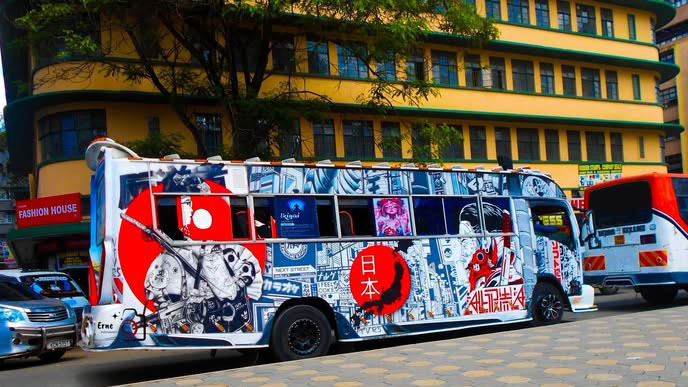
The influence extends beyond transport. Recently, I noticed a Kenyan snack packaged with anime artwork, demonstrating how local companies are embracing this trend to better connect with younger consumers. This reflects how deeply anime culture has resonated, influencing both lifestyle and marketing strategies.


Karaoke is another Japanese cultural export that has gained popularity among young Kenyans. Modern karaoke venues offering private rooms, anime soundtracks, and a wide range of music—including contemporary pop—have rapidly become social hotspots.


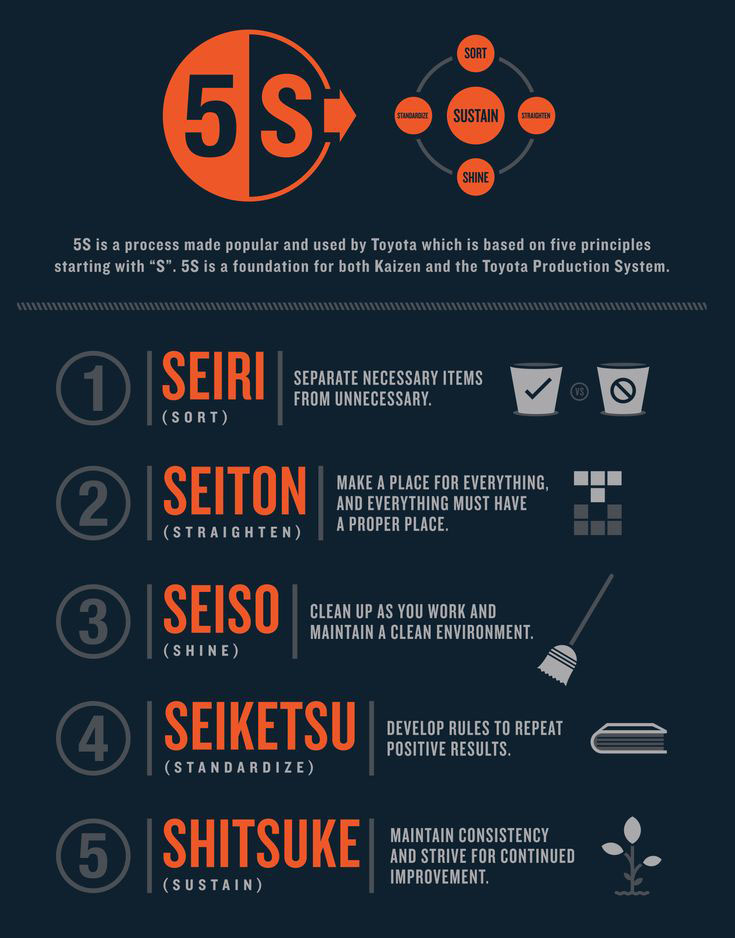
Beyond popular culture, Japanese influence is also evident in the business world. In recent years, many Kenyan manufacturing firms and SMEs have adopted the Japanese philosophy of Kaizen, supported by JICA. Through participatory, low cost improvements and practices such as the 5S methodology, local companies have enhanced productivity, improved quality, and strengthened competitiveness by reducing waste and increasing efficiency.
From social spaces to business practices, Japanese culture continues to integrate itself into Kenyan society, not as a passing trend, but as a lasting influence that shapes creativity, productivity, and everyday life and this is only the beginning of a deeper cultural exchange. The growing interest in Japanese culture goes beyond mere trends, demonstrating the potential for new forms of co-creation, and is expected to become a major driving force in future relations between the two countries.
References | Notes
Disclaimer: The information provided in this article is for general informational purposes only and may vary depending on local regulations and operational conditions. Please contact MOL or relevant authorities for case-specific guidance.