
During my recent business trip to Japan, I used Ethiopian Airlines. When I mentioned this to colleagues in Japan, many reacted with surprise, asking, “Why Ethiopian Airlines?” This made me realize that its brand recognition in Japan is still quite limited. In reality, however, Ethiopian Airlines is not only a representative airline of Africa but also a company with a world-class presence in terms of its aviation network. It functions not merely as an airline but as a core infrastructure that connects people, goods, and economies across Africa.
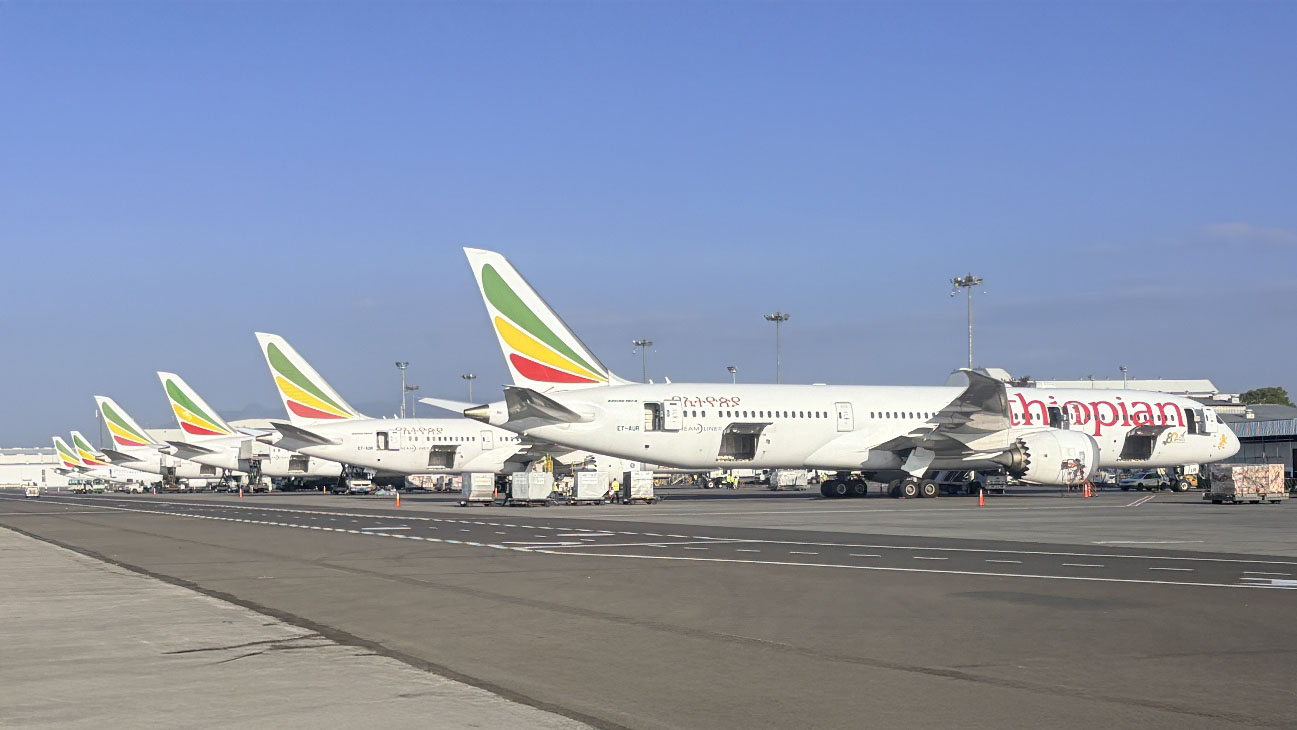
An Overwhelming African Network
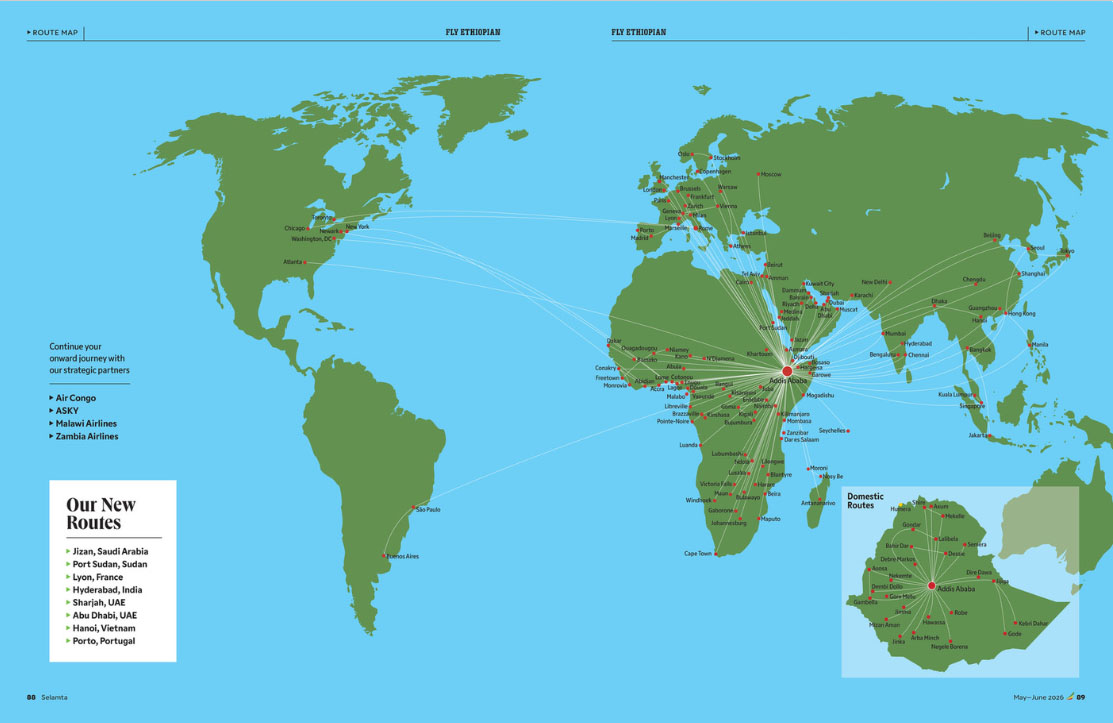
Ethiopian Airlines’ greatest strength lies in its extensive network. It serves over 160 cities worldwide, including more than 60 within Africa, firmly establishing itself as the largest airline on the continent.
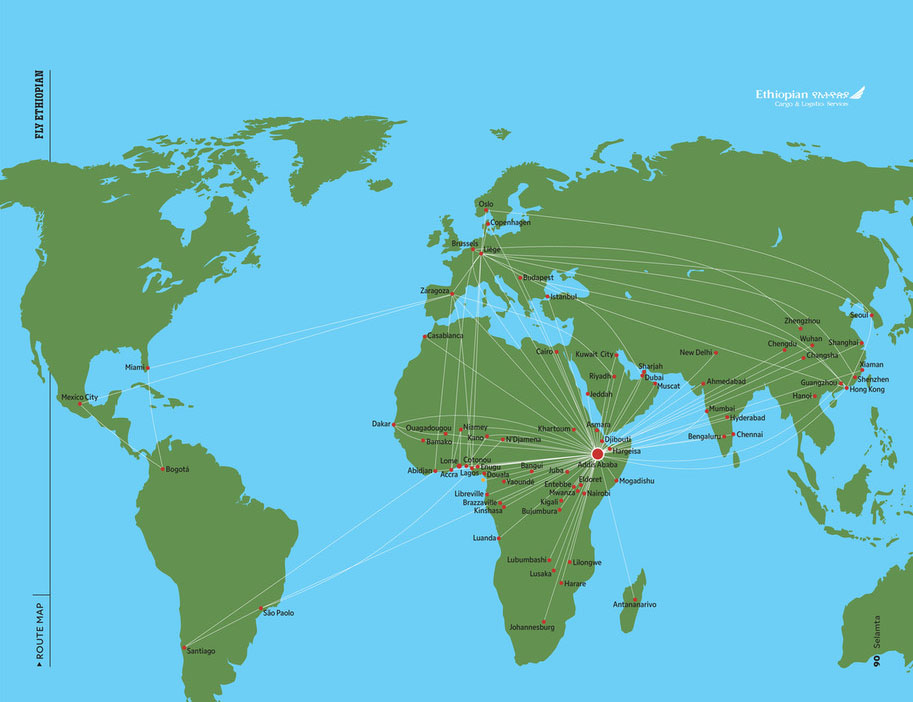
Particularly noteworthy is its hub-and-spoke network centered on Addis Ababa. This system efficiently connects regions across Africa—from east to west, north to south—and enables travel between secondary cities that other airlines often cannot cover. In Africa, cross-border logistics and movement of people frequently face constraints in land and sea transport, making air networks critically important. In this context, Ethiopian Airlines has become an indispensable “infrastructure of the sky.”
A Growth Model of a “State-Owned Enterprise” Leveraging Cutting-Edge Aircraft
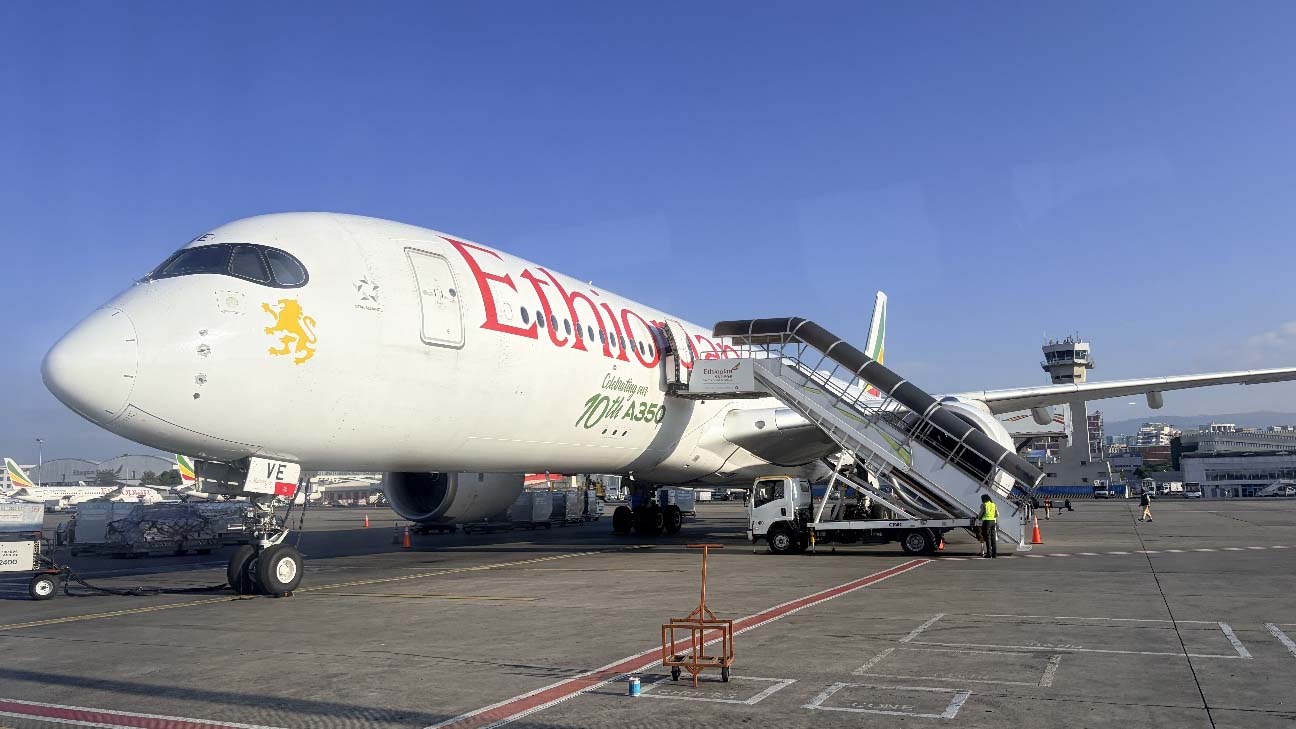
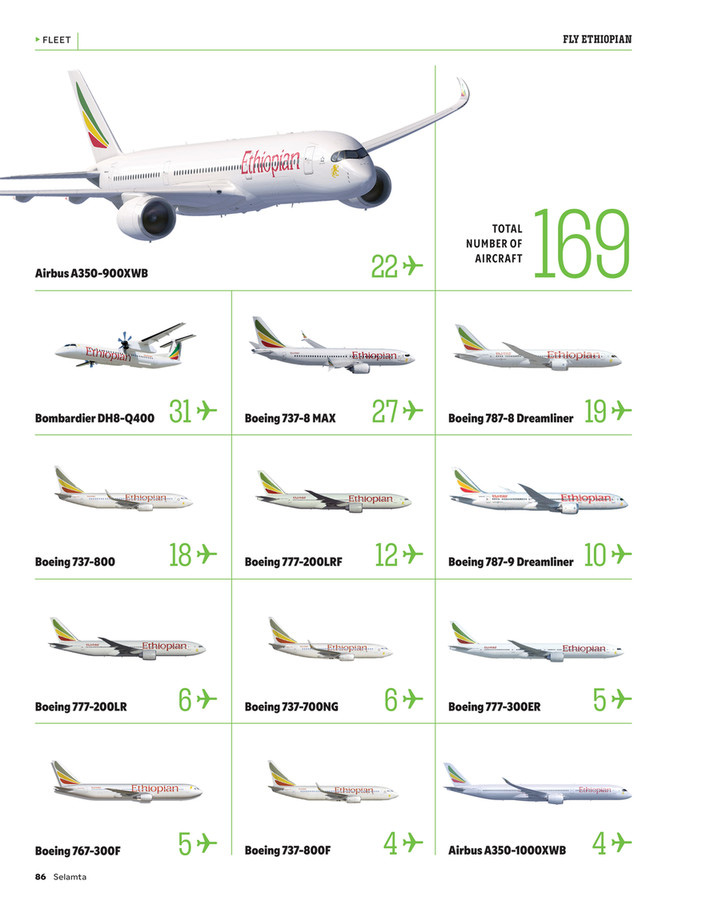
Ethiopian Airlines is also highly proactive in fleet investment. It was among the first to introduce state-of-the-art aircraft such as the Boeing 787, 777, and Airbus A350, securing strong competitiveness in fuel efficiency, environmental performance, and passenger comfort. In addition, it boasts Africa’s largest scale in terms of fleet size, route network, and transport volume, steadily expanding its operations.
A key factor in understanding its growth is that the company is 100% owned by the Ethiopian government. While state-owned enterprises are often associated with inefficiency, Ethiopian Airlines stands out as a rare example that embodies the opposite.
One reason is that, although the government is the owner, it refrains from excessive intervention in management and instead entrusts operations to professionals. Furthermore, the consistent execution of long-term strategies—such as its “Vision 2035”—is another defining characteristic. By maintaining continuity in hub development, network expansion, and fleet investment without being swayed by short-term political decisions, the airline has built its current competitive strength.
Moreover, the company is evolving beyond a traditional airline into a comprehensive aviation group, encompassing maintenance (MRO), pilot and technician training, and cargo and logistics businesses. This diversification strengthens its revenue base while positioning it as a key supporter of aviation and logistics infrastructure across Africa.
In this way, Ethiopian Airlines has established overwhelming competitive advantages through a unique model: “state-owned yet professionally managed, with continuous investment based on long-term strategy.”
Global Connectivity Through Star Alliance
Ethiopian Airlines is a member of Star Alliance, giving it access to one of the world’s largest aviation networks. This enables seamless connections to cities across Europe, Asia, and North America, significantly improving access to Africa.
In practice, it provides a level of convenience where traveling to multiple African countries for business no longer feels exceptional. As such, it is becoming an increasingly important infrastructure not only for Africa but also for companies outside the continent.
Serving as the “Shortest Route” Between Japan and Africa
Ethiopian Airlines also plays a major role in connecting Japan and Africa. Its Narita–Addis Ababa route operates as a quasi-direct flight via Incheon, allowing travelers to reach Africa in effectively one of the shortest travel times available.
From my own experience, it offers greater efficiency compared to routes via the Middle East or Europe, significantly reducing the perceived distance to Africa. On the other hand, the requirement to disembark in Incheon, undergo baggage screening, and reboard does create extra time and inconvenience. From a passenger perspective, a future nonstop service would be highly welcome.
Toward Africa’s Largest Hub: The Impact of a New Mega-Airport
Addis Ababa Bole International Airport is already a major hub, handling approximately 12.1 million passengers annually (2024 data). However, its scale is set to expand dramatically in the future.
Ethiopian Airlines is currently advancing plans to construct a new mega-airport, which, once completed, is expected to handle up to 100 million passengers annually—making it by far the largest hub airport in Africa. This new airport is envisioned not merely as infrastructure but as a global transit hub connecting Africa, Europe, and Asia. It is even seen as a potential competitor to major Middle Eastern hubs such as Dubai and Doha.

Transforming the Future of Logistics: Strategic Partnership with JETRO
The importance of Ethiopian Airlines extends beyond passenger transport. Its role in logistics is also rapidly increasing.
In 2025, Ethiopian Airlines and JETRO signed a memorandum of understanding (MOU) on a strategic logistics hub initiative, advancing efforts to strengthen logistics between Japan and Africa.
This initiative includes not only the development of air cargo routes leveraging the airline’s extensive network but also enhancements to airport functions, such as bonded warehouses and cold chain infrastructure. As challenges in maritime transport—such as time, cost, and uncertainty—become more apparent, building new supply chains centered on air logistics carries significant implications for Japanese companies.
Ethiopian Airlines as an “Infrastructure Company,” Not Just an Airline
As outlined above, Ethiopian Airlines is far more than just an airline:
- A transport network connecting the entire African continent
- Efficient operations powered by cutting-edge aircraft
- Global connectivity through strategic alliances
- Development of transport and logistics infrastructure via mega-hub airports
Conclusion: A Company Holding the “Key” to African Business
Although Ethiopian Airlines remains relatively underrecognized outside Africa, it is, in reality, a key player supporting the continent’s growth from the front lines.
For those considering business in Africa, its role goes far beyond that of mere transportation. Rather, it represents one of the most important answers to the question: “How do we connect with Africa?”
As the new airport is completed and its logistics hub functions are further strengthened, Ethiopian Airlines’ presence will only continue to grow.
In understanding Africa’s future, it is a company whose developments warrant close and continued attention.
References | Notes
Disclaimer: The information provided in this article is for general informational purposes only and may vary depending on local regulations and operational conditions. Please contact MOL or relevant authorities for case-specific guidance.