
From rich minerals to fertile farmlands and vast energy reserves, Mozambique is quietly powering its way onto the global stage. Its exports don’t just drive the economy, they create jobs, attract investment, and connect the country to markets around the world. Over the years, Mozambique has become a key supplier of natural resources, energy, and agricultural products, playing a vital role in generating foreign income and supporting national development. Join us as we explore the country’s top export sectors, trade partners, and the opportunities that make Mozambique a rising star in international trade.
1. Aluminium: A Flagship Industrial Export
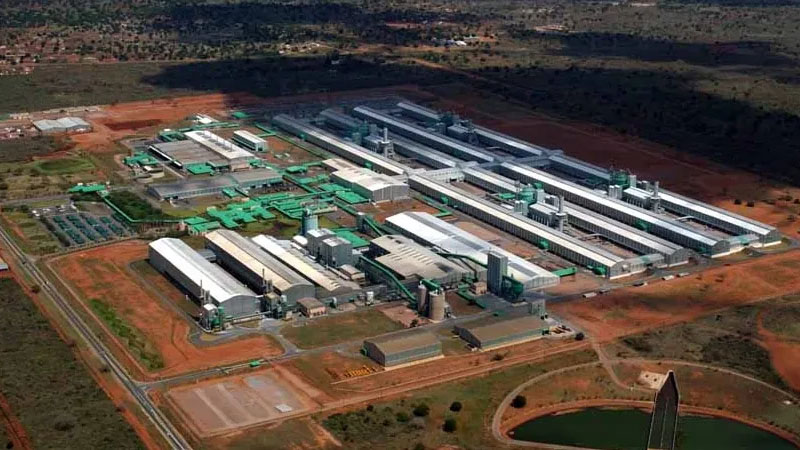
Aluminium is one of Mozambique’s most valuable exports. It is produced mainly at the Mozal Aluminium Smelter near Maputo, which is one of the largest industrial projects in the country. Although Mozambique does not mine large amounts of bauxite (the raw material for aluminium), the smelter processes imported raw materials and exports finished aluminium to international markets.
2.Coal: Supporting Global Energy and Industry
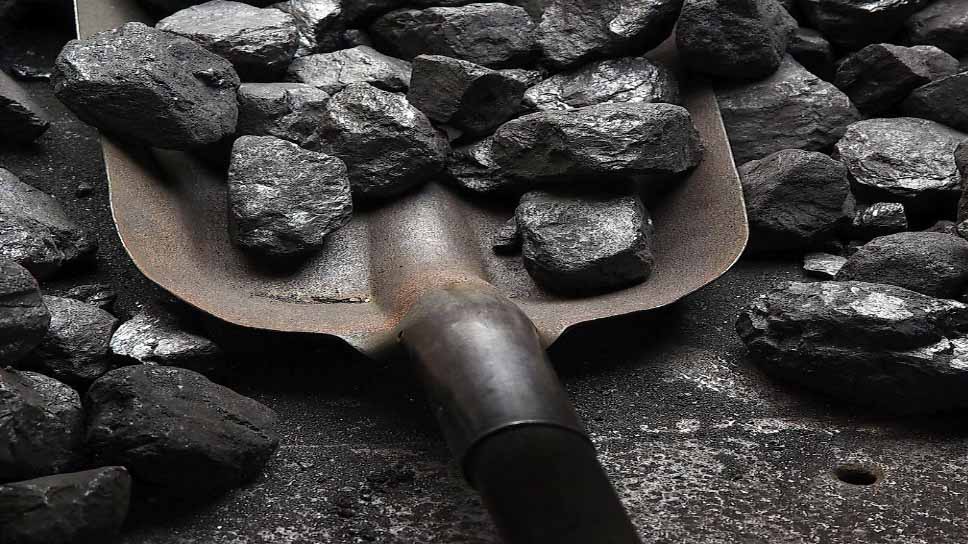
Coal is another major mineral export. Large coal reserves are found in Tete Province in central Mozambique. The coal mined here is mainly used for energy production and steel manufacturing in other countries.
Mozambique exports coal to countries in Asia and Europe, making it an important player in the regional mining sector. The development of railways and ports has helped improve coal exports.
3.Natural Gas: A Transformational Resource
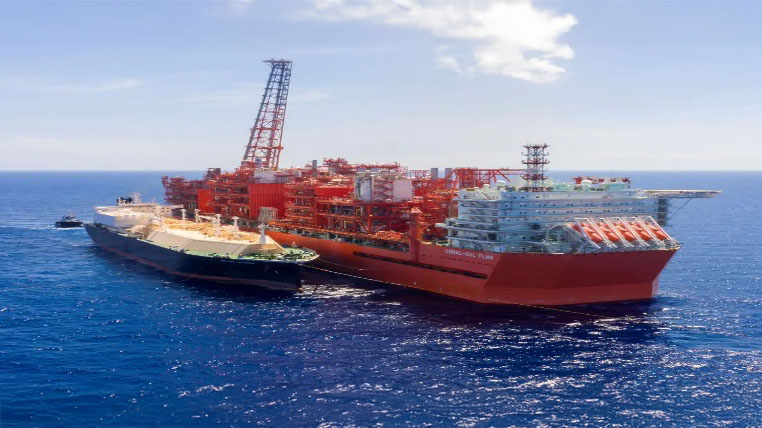
Natural gas is one of Mozambique’s fastest-growing export sectors. Huge offshore gas fields have been discovered in the northern province of Cabo Delgado. These discoveries have positioned Mozambique as one of Africa’s future leading gas producers.
Liquefied Natural Gas (LNG) projects are expected to bring long-term economic growth, government revenue, and employment opportunities. However, managing this resource carefully is important to ensure sustainable development.
4. Electricity: Regional Energy Partnerships
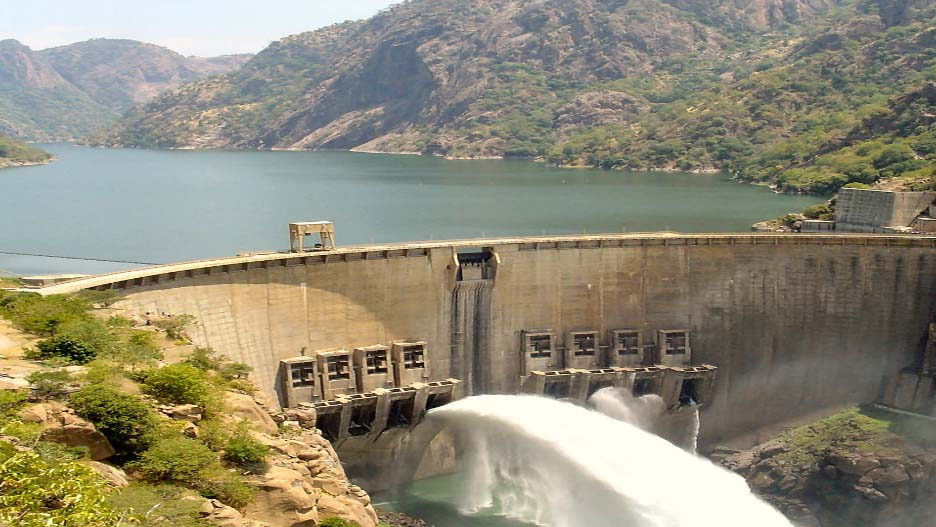
Mozambique exports electricity generated mainly by the Cahora Bassa Dam on the Zambezi River. This hydroelectric power station is one of the largest in Africa.
Much of the electricity produced is exported to neighbouring countries, especially South Africa, helping to strengthen regional energy cooperation. Electricity exports provide a steady source of income for the country.
5. Agricultural Products: Supporting Communities and Trade
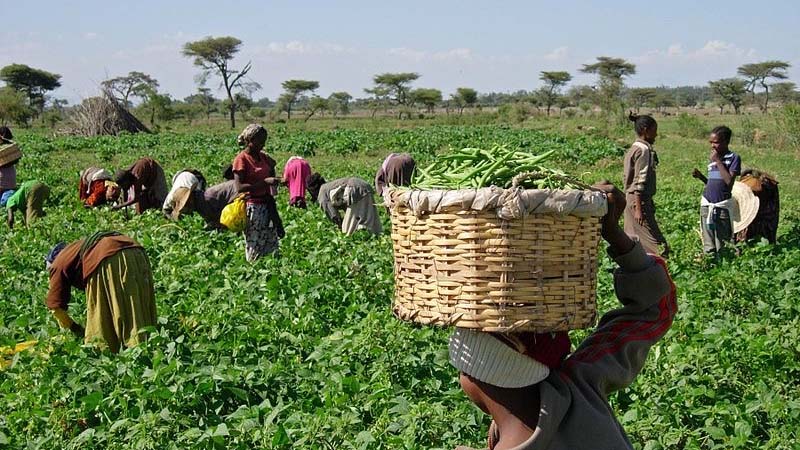
Agriculture remains a key part of Mozambique’s economy. Many Mozambicans depend on farming for their livelihoods. Important agricultural exports include:
- Cashew nuts: Mozambique is one of the world’s top producers of cashews. These nuts are exported mainly to India, Vietnam, and European countries, providing income for many small farmers.
- Cotton: Cotton farming supports both local textile production and export markets. It is a source of employment in rural communities and contributes to Mozambique’s industrial development.
- Sugar: Sugarcane is grown in large plantations, and the sugar is exported to regional and international markets. The sugar industry also provides jobs and supports processing industries in the country.
- Tobacco: Tobacco is grown in several provinces and exported mainly to Europe. It is an important cash crop that generates foreign revenue.
- Sesame seeds: Sesame is a high-value crop exported mainly to Asian markets. Its cultivation is growing because it thrives in Mozambique’s climate and generates significant income for farmers.
These crops are sold to international markets and support rural communities.
6. Seafood: Value from the Coastline

With a long coastline along the Indian Ocean, Mozambique has a thriving fishing industry. Prawns (shrimp) are among the most valuable seafood exports and are highly demanded in global markets.
This sector supports employment in coastal communities and contributes to foreign exchange earnings.
Conclusion
Mozambique’s exports of minerals, energy, and agricultural products are central to its economic growth. While the country has made significant progress in developing its natural resources, continued investment, good governance, and sustainable management are essential to ensure that these exports benefit all Mozambicans.
References | Notes
Disclaimer: The information provided in this article is for general informational purposes only and may vary depending on local regulations and operational conditions. Please contact MOL or relevant authorities for case-specific guidance.